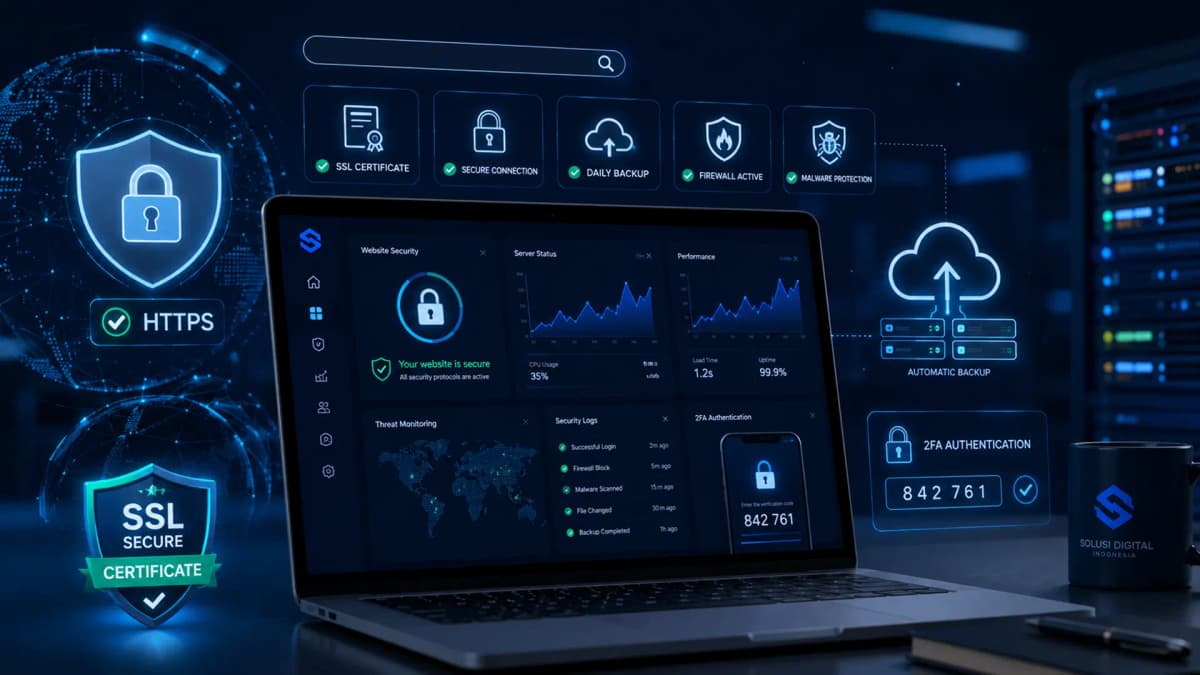
In modern business environments, servers power critical operations such as websites, internal applications, databases, cloud systems, and customer platforms. Without proper server maintenance, businesses risk downtime, security breaches, and performance degradation.
This article explains the essential aspects of server maintenance for businesses, covering monitoring, storage capacity, security updates, backups, uptime, and application performance.
Why Server Maintenance Is Critical for Businesses
Server maintenance is not just a technical task. It is a strategic investment that protects business continuity and customer trust.
- Reduce unexpected downtime
- Protect sensitive business data
- Ensure stable application performance
- Support scalability and growth
- Improve system reliability
1. Real-Time Server Monitoring
Real-time monitoring allows IT teams to detect issues before they impact users. It is the foundation of proactive server maintenance.
- CPU usage
- Memory consumption
- Disk I/O
- Network traffic
- Service availability
2. Storage Capacity Management
Running out of storage can cause system crashes and data loss. Proper maintenance includes continuous storage planning and cleanup.
3. Security Updates and Patch Management
Unpatched servers are vulnerable to cyberattacks. Regular updates help close security gaps and protect critical data.
4. Backup and Disaster Recovery
Backups are essential to recover from hardware failure, cyber incidents, or human error.
5. Uptime Monitoring
Uptime reflects the reliability of your infrastructure. Professional maintenance targets high availability for business-critical systems.
6. Application Performance Optimization
Maintenance ensures applications run efficiently under varying workloads, delivering a consistent user experience.
Professional Server Maintenance
PT Code Hero Indonesia provides server maintenance services focused on stability, security, and long-term performance to support growing businesses worldwide.