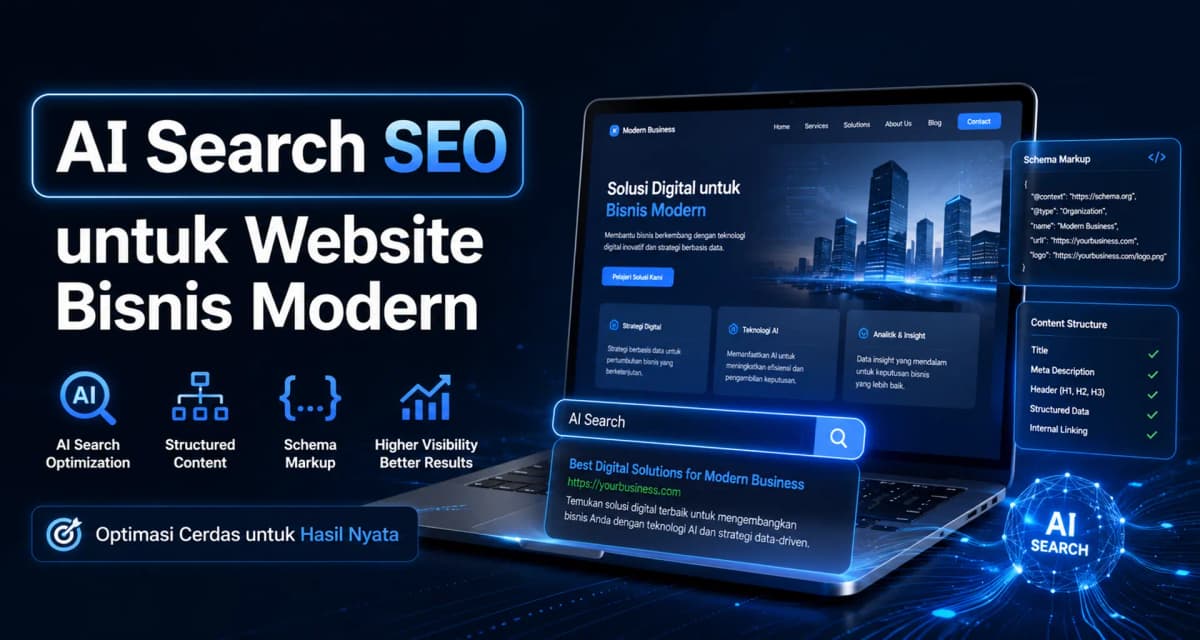
In today’s highly competitive digital landscape, ranking for generic keywords is no longer enough. Businesses worldwide are shifting their SEO focus toward long-tail keywords to attract more targeted, high-converting organic traffic.
As a trusted digital partner, PT Code Hero Indonesia delivers data-driven SEO strategies through its professional SEO services to help businesses compete globally.
What Are Long-Tail Keywords?
Long-tail keywords are highly specific search phrases that usually contain three or more words. Examples include:
- professional SEO services for small businesses
- WordPress website development services
- custom website development company
Although these keywords have lower search volume, they often deliver higher conversion rates.
Why Long-Tail Keywords Matter in Modern SEO
Lower Competition
Long-tail keywords are easier to rank for compared to short, highly competitive terms.
Higher User Intent
Users searching with detailed queries usually know what they want, making them more likely to convert.
Better Alignment with Search Engine Algorithms
Search engines prioritize relevance and user intent, making long-tail keywords increasingly valuable.
Long-Tail Keywords and Global SEO Strategy
For international markets, long-tail keywords allow businesses to target niche audiences more effectively while maintaining scalability.
How to Find the Right Long-Tail Keywords
Analyze Search Intent
Understand whether users are looking for information, services, or solutions.
Use Professional SEO Tools
Tools like Ahrefs, SEMrush, and Google Keyword Planner provide deep insights into keyword opportunities.
Leverage Google Autocomplete
Google suggestions reveal real-world search behavior.
Implementing Long-Tail Keywords on Your Website
Content Optimization
Create in-depth content that naturally integrates long-tail keywords.
Service Page Optimization
Pages such as website development and WordPress website development are ideal for targeting service-specific keywords.
Internal Linking Strategy
Strategic internal links strengthen SEO architecture and improve crawlability.
Common Mistakes to Avoid
- Overusing keywords unnaturally
- Ignoring search intent
- Creating shallow content
Case Study Overview
A global client working with PT Code Hero Indonesia saw a 200% increase in organic traffic within eight months by focusing on long-tail keyword optimization.
Conclusion
Long-tail keywords are essential for building sustainable organic traffic and achieving long-term SEO success in competitive global markets.
CTA
Ready to scale your organic traffic globally? Partner with PT Code Hero Indonesia through our professional SEO services today.