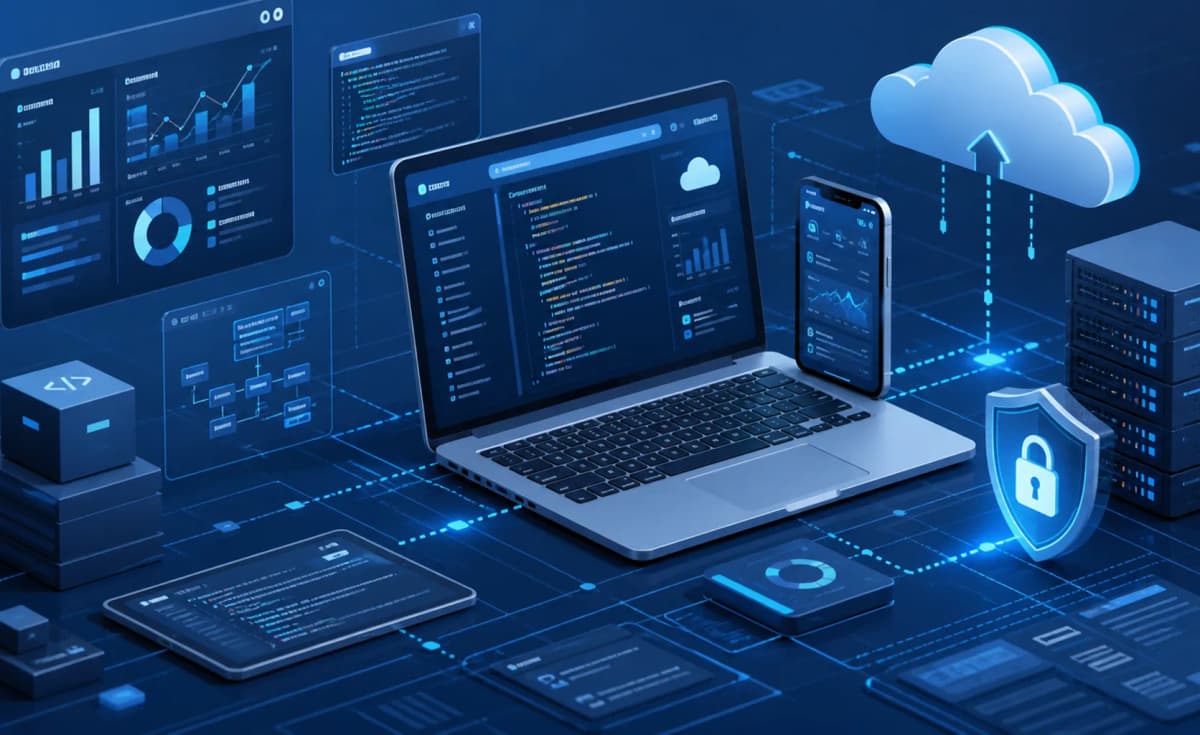
In today’s digital economy, information systems play a critical role in how businesses operate on a daily basis. From small companies to large enterprises, information systems enable organizations to work more efficiently, accurately, and strategically.
This article explains how information systems work, their core components, and how they support daily business operations in modern organizations.
What Is an Information System?
An information system is an integrated set of components designed to collect, process, store, and distribute information to support business operations, management, and decision-making.
Modern information systems are not just data recording tools but strategic assets that help organizations gain competitive advantages.
Core Components of an Information System
1. Hardware
Hardware includes servers, computers, networking devices, and infrastructure that support system operations.
2. Software
Software consists of business applications such as ERP, CRM, HR systems, accounting software, and custom-built enterprise solutions.
3. Data
Data is the most valuable asset in an information system. Transactional, operational, and customer data are processed into meaningful insights.
4. Business Processes
Information systems follow predefined workflows that standardize and optimize business processes.
5. People
Users, administrators, and management teams ensure the system is used effectively and aligned with business goals.
How Information Systems Work in Daily Business Operations
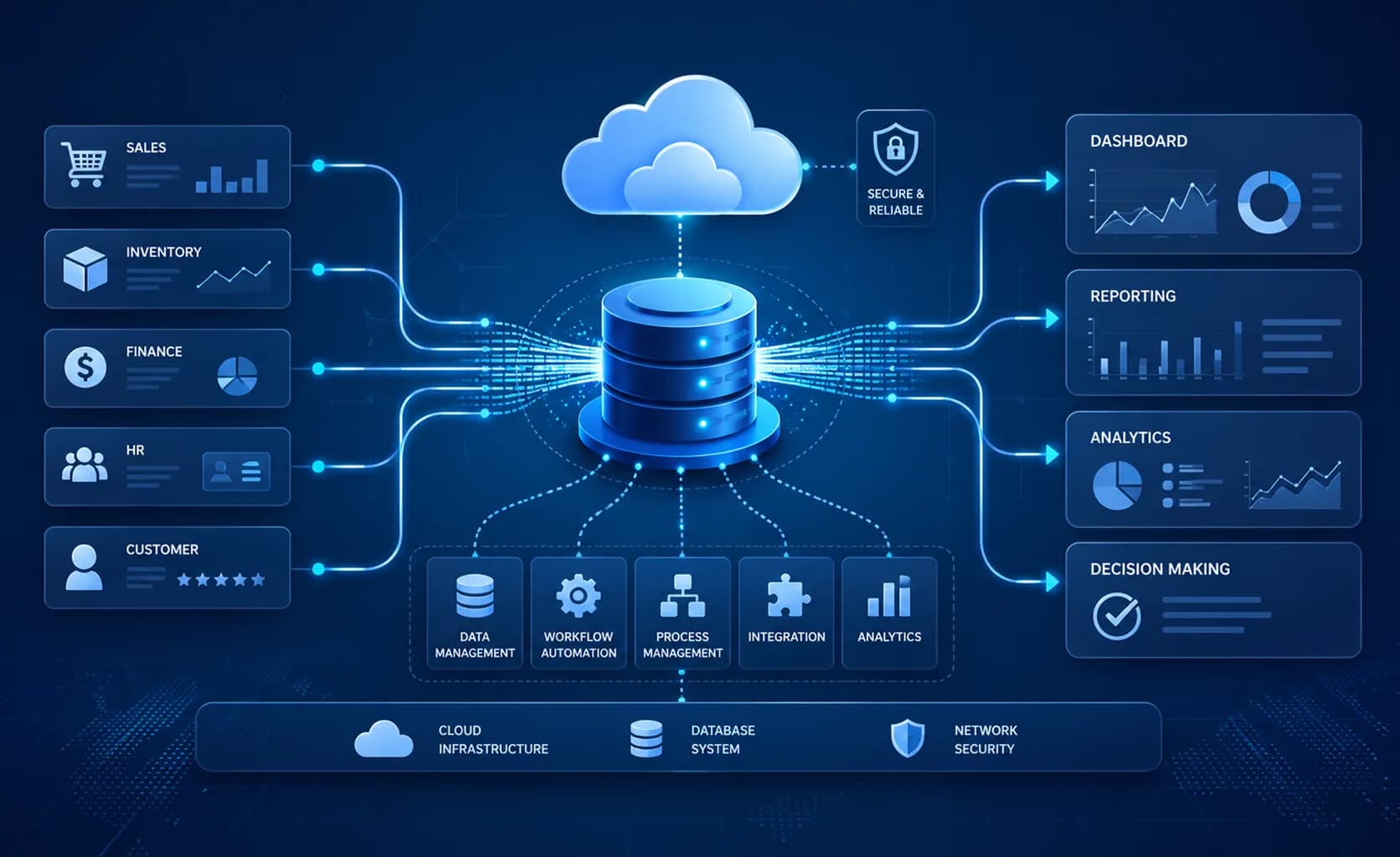
1. Data Collection
Daily business activities such as sales transactions, inventory updates, employee attendance, and financial records are automatically captured by the system.
2. Real-Time Data Processing
Collected data is processed in real time to generate operational reports, dashboards, and performance metrics.
3. Centralized Data Storage
Information systems store data in centralized databases, often cloud-based, ensuring data security, accessibility, and integration across departments.
4. Information Delivery for Decision-Making
Processed information is presented through reports and visual dashboards to support management in making informed decisions.
Benefits of Information Systems for Businesses
- Improved operational efficiency
- Reduced manual errors
- Faster and better decision-making
- Enhanced transparency and control
- Scalable business growth
The Role of Information Systems in Digital Transformation
Information systems are the foundation of digital transformation. Without integrated systems, businesses struggle to adapt to changing market demands.
Organizations worldwide are investing in digital systems to improve competitiveness, agility, and long-term sustainability.
Conclusion
Information systems are no longer optional for modern businesses. They play a vital role in managing daily operations, ensuring data accuracy, and supporting strategic growth.
A well-designed information system enables organizations to operate efficiently, adapt quickly, and make data-driven decisions.
Looking to build the right information system for your business?
PT Code Hero Indonesia provides professional information system development tailored to your business needs and growth goals.
Learn more about our services →