Digital transformation is no longer optional for modern businesses. As organizations scale and compete in digital markets, they rely heavily on different types of digital systems to operate efficiently and serve customers effectively.
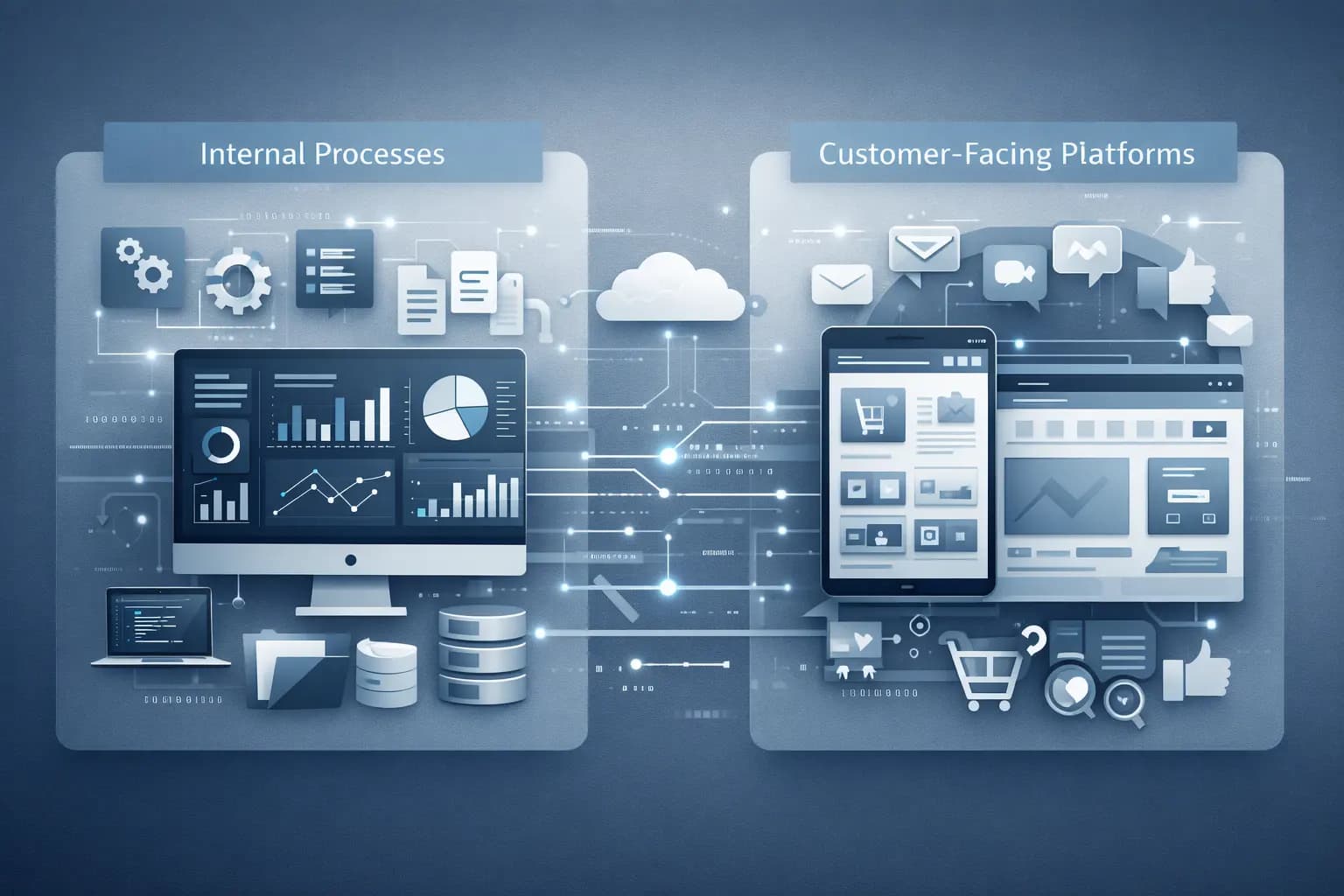
Two of the most critical system categories are internal digital systems and customer-facing systems. While both are essential, they serve very different purposes. Understanding their differences helps businesses design scalable, efficient, and customer-centric digital ecosystems.
What Are Internal Digital Systems?
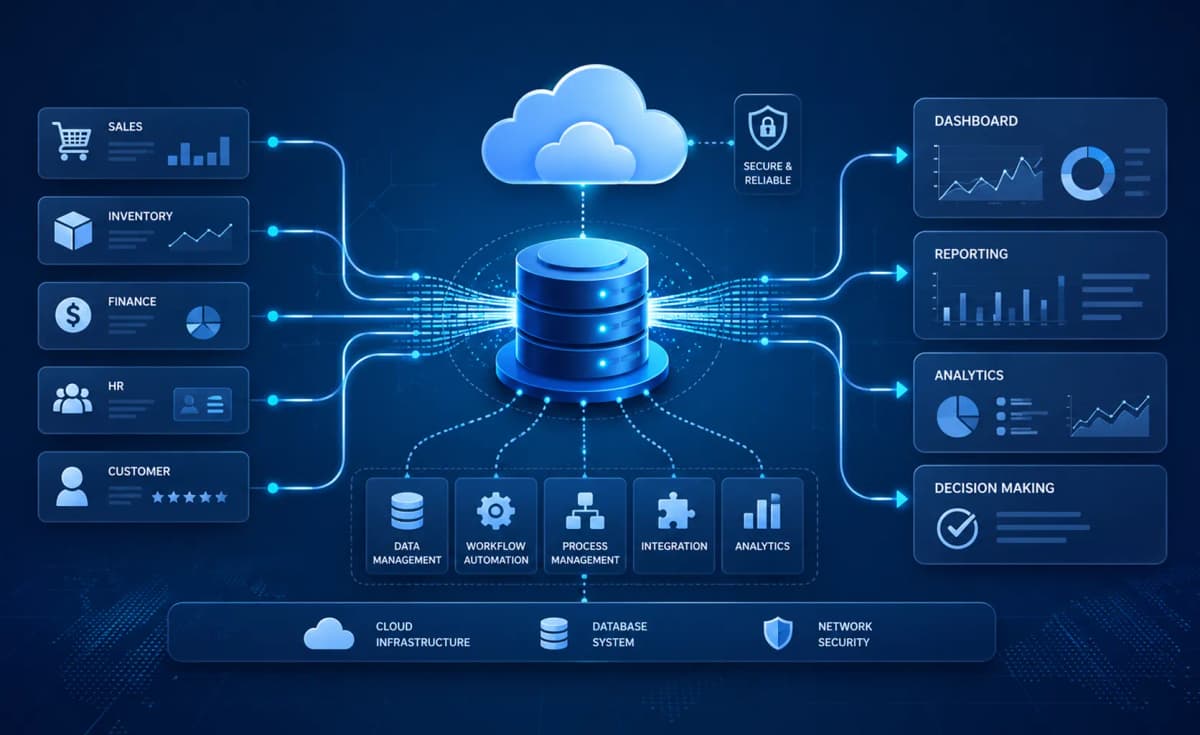
Internal digital systems are designed for employees, managers, and internal stakeholders. These systems focus on optimizing operations, managing resources, and supporting data-driven decision-making.
They usually operate behind the scenes and are not accessible to customers. Their primary value lies in improving productivity, accuracy, and operational control.
Examples of Internal Digital Systems
- ERP (Enterprise Resource Planning) systems
- HR management platforms
- Accounting and financial systems
- Inventory and supply chain systems
- Business intelligence dashboards
What Are Customer-Facing Systems?
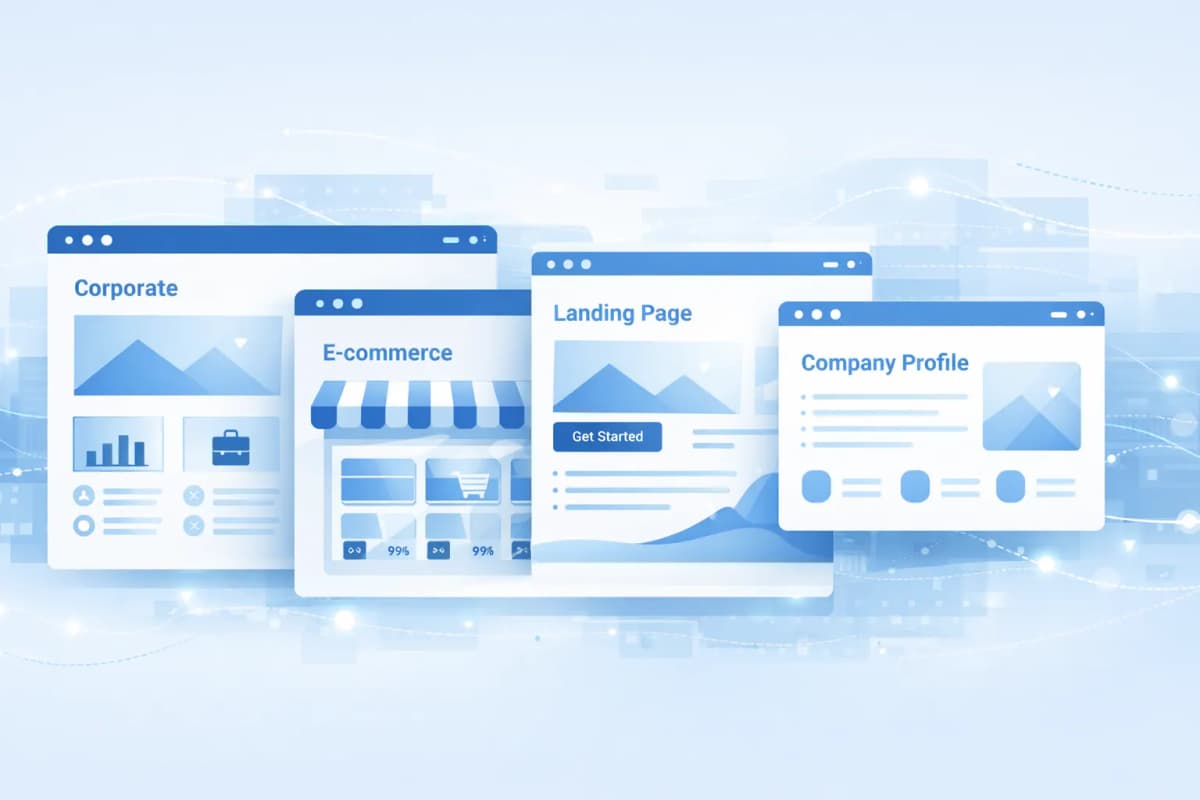
Customer-facing systems are digital platforms that interact directly with customers, partners, or the public. These systems represent the digital front door of a business.
Their main objective is to deliver a seamless user experience, easy access to services, and fast interactions. Performance and usability are critical success factors.
Examples of Customer-Facing Systems
- Corporate websites
- Customer mobile applications
- Online ordering systems
- Customer portals
- Live chat and support platforms
Key Differences Between Internal and Customer-Facing Systems
| Aspect | Internal Systems | Customer-Facing Systems |
|---|---|---|
| Users | Employees & Management | Customers & Public |
| Primary Goal | Operational efficiency | Customer experience |
| Access Level | Restricted | Public |
| Security Focus | Highly controlled | Secure yet user-friendly |
Why Integration Matters
When internal and customer-facing systems operate in silos, businesses suffer from inefficiencies, inconsistent data, and poor customer experiences.
Integrated systems allow customer actions to automatically trigger internal workflows, improving speed, accuracy, and overall business performance.
Implementation Best Practices
- Clearly define business processes
- Separate internal and external system layers
- Use APIs for system integration
- Ensure scalability and security
- Work with experienced technology partners
How PT Code Hero Indonesia Supports Digital Transformation
PT Code Hero Indonesia helps organizations design and develop robust internal systems and customer-facing platforms that work seamlessly together.
By focusing on real business needs, Code Hero delivers digital solutions that drive long-term value rather than short-term trends.
Ready to Build a Smarter Digital System?
Talk to PT Code Hero Indonesia to design digital systems that support growth, efficiency, and exceptional customer experiences.
Start Your Consultation