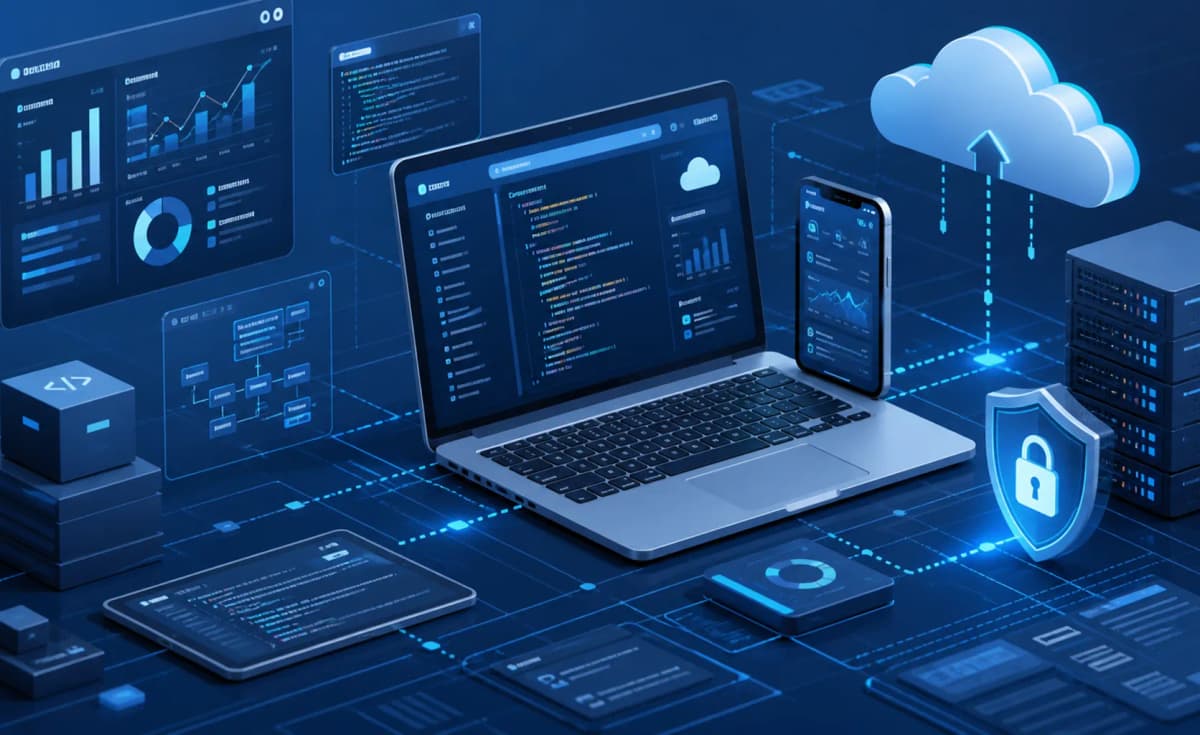
In today's digital era, having the right digital platform is essential for businesses that want to remain competitive, reach more customers, and improve operational efficiency. As technology continues to transform the way companies operate, choosing an appropriate digital solution has become an important part of business development.
However, many businesses still struggle to determine which digital platform best suits their needs. Some companies need a professional company profile website to establish credibility, while others require an e-commerce website to sell products online. Meanwhile, businesses with more complex operational requirements may benefit from custom application development.
Understanding the differences between these platforms can help business owners make better technology investments. This article explores the functions, benefits, features, and considerations of each digital platform to help you identify the most suitable solution for your business.
Understanding Different Digital Platforms for Business
Digital platforms are technology-based solutions that help businesses manage information, communicate with customers, deliver services, and support daily operations. Depending on their objectives, businesses can choose from several types of platforms, including company profile websites, e-commerce websites, and custom applications.
Each platform serves a different purpose. Some focus on building brand awareness and providing information, while others are designed to facilitate online transactions or automate complex business processes. Selecting the right platform requires an understanding of your business model, customer expectations, and long-term objectives.
What Is a Company Profile Website?
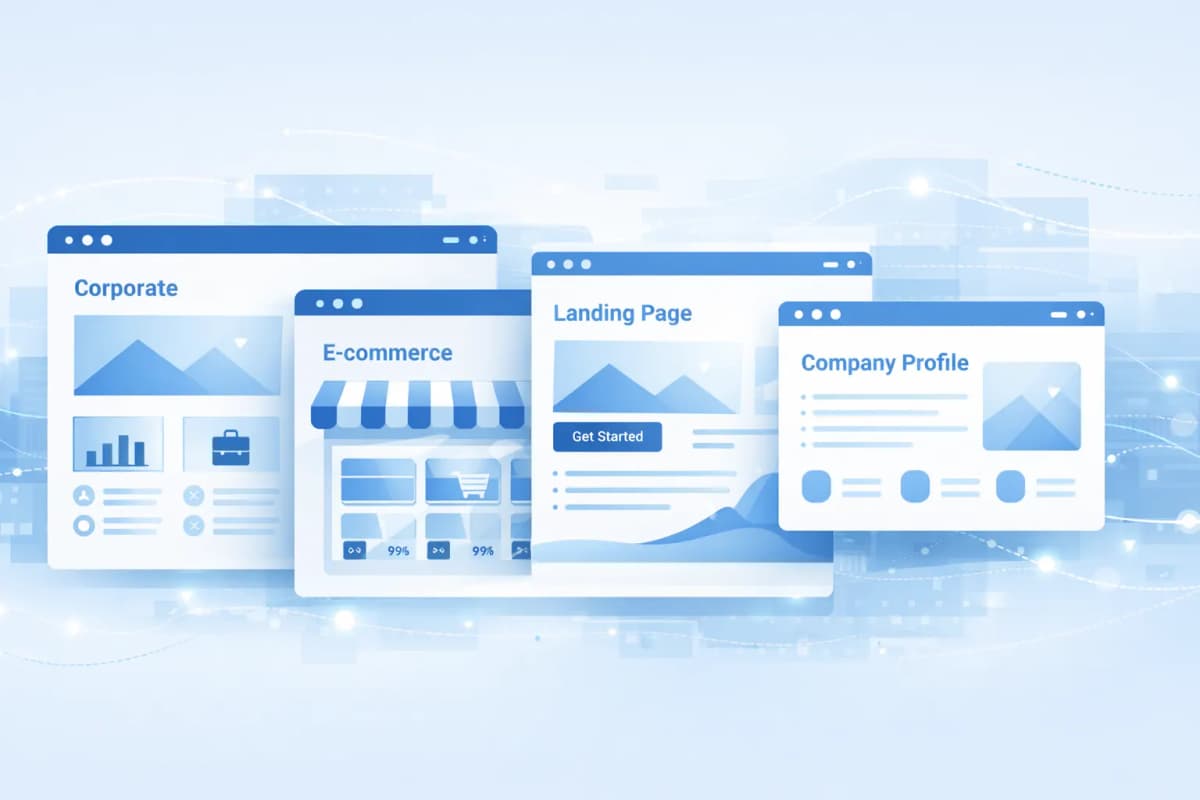
A company profile website is a business website designed to introduce a company to its online audience. It serves as a digital representation of a business, presenting essential information such as company background, products, services, business values, achievements, and contact details.
Unlike an e-commerce platform, a company profile website primarily focuses on establishing brand identity, communicating business credibility, and helping potential customers understand what a company offers. It provides visitors with an accessible source of information whenever they want to learn more about a business.
Key Features of a Company Profile Website
A professional company profile website generally includes several important elements:
- Homepage that introduces the company and communicates its main value proposition.
- About Us page containing company history, vision, mission, and business profile.
- Products or Services page explaining available offerings in detail.
- Portfolio or project gallery showcasing previous work and business experience.
- Contact page providing communication channels and business information.
- Responsive design that allows visitors to access the website from desktops, tablets, and smartphones.
- Search engine optimization (SEO) features that help improve visibility in search engine results.
Benefits of a Company Profile Website
One of the main advantages of a company profile website is its ability to strengthen business credibility. Customers often search for company information online before deciding whether to contact or work with a particular business. A well-organized website helps provide the information they need and creates a more professional first impression.
In addition, a company profile website can support digital marketing activities, improve brand visibility, and provide a centralized location for business information. It is particularly suitable for service providers, professional firms, manufacturers, consultants, and companies that want to establish a strong online presence.
What Is an E-Commerce Website?
An e-commerce website is an online platform that enables businesses to sell products or services directly through the internet. It allows customers to explore product catalogs, compare prices, add products to shopping carts, place orders, and complete transactions through available payment methods.
E-commerce websites are designed to support the entire online purchasing process. Unlike a traditional company profile website, an e-commerce platform includes transaction-oriented features that help businesses manage products, customer orders, payments, and delivery processes.
Essential Features of an E-Commerce Website
Depending on business requirements, an e-commerce website may include:
- Product catalog with detailed descriptions, images, prices, and product categories.
- Shopping cart that allows customers to select and manage products before checkout.
- Secure payment gateway integration to facilitate online transactions.
- Order management system for tracking and processing customer purchases.
- Inventory management to monitor product availability and stock levels.
- Customer accounts and order history for a more personalized shopping experience.
- Shipping and delivery integration to support order fulfillment.
- Promotional tools such as discount codes, special offers, and campaign management.
Benefits of an E-Commerce Website
An e-commerce website enables businesses to reach customers beyond their physical locations. Customers can browse products and place orders at different times without having to visit a physical store. This provides greater purchasing convenience and creates additional opportunities for businesses to expand their markets.
Another important benefit is the ability to manage sales activities through an integrated digital system. Business owners can monitor orders, analyze customer purchasing behavior, and evaluate product performance using available transaction data.
E-commerce websites are particularly suitable for retailers, wholesalers, manufacturers, fashion brands, food businesses, and other companies that want to develop or expand their online sales channels.
What Is a Custom Application?
A custom application is a software solution developed to address specific business requirements. Unlike general-purpose software, custom applications are designed around particular workflows, operational processes, and organizational objectives.
Applications can be developed for web browsers, mobile devices, or other supported environments. They may function as internal management systems, customer service platforms, booking applications, enterprise resource planning (ERP) systems, or specialized business tools.
Custom application development is particularly valuable when standard software cannot fully accommodate a company's operational requirements. Businesses can define the functionality, user roles, workflows, and system integrations according to their actual needs.
Common Features of Custom Applications
Depending on the intended purpose, custom applications may include:
- User authentication and role-based access control.
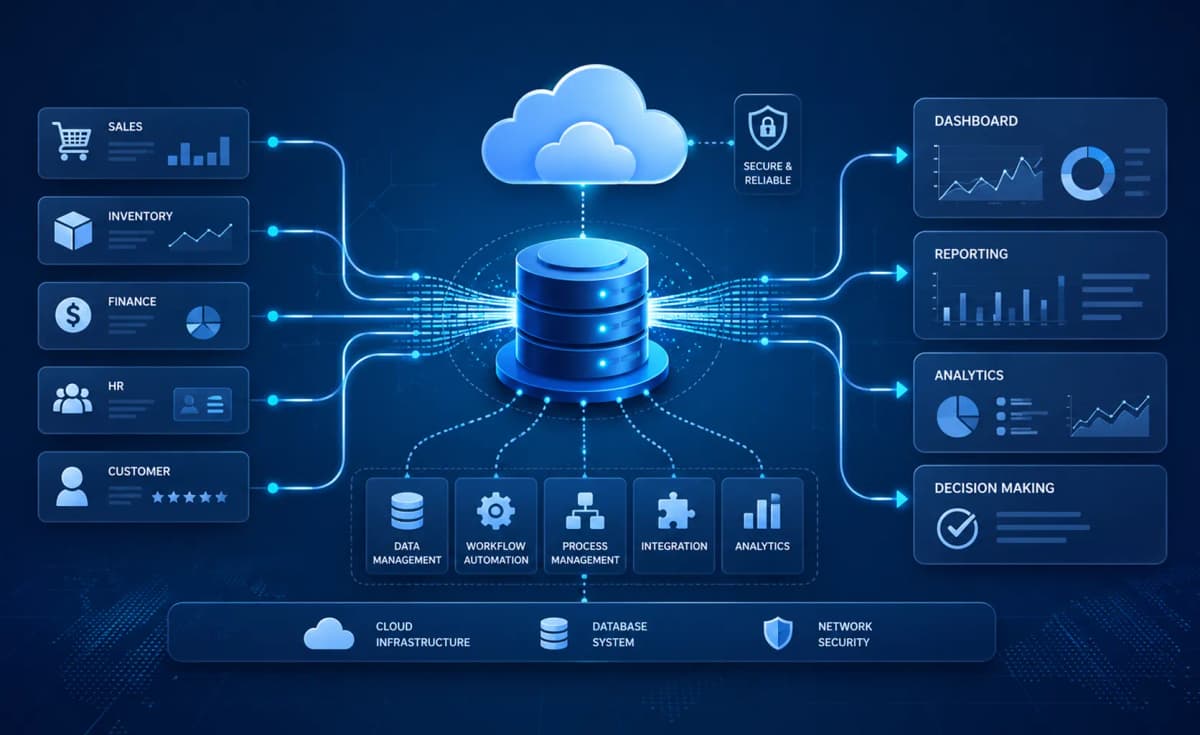
- Centralized databases for managing business information.
- Automated workflows to reduce repetitive manual tasks.
- Reporting dashboards and data visualization.
- Integration with existing business systems and third-party services.
- Customer relationship management (CRM) functionality.
- Real-time notifications and activity monitoring.
- Scalable architecture that supports future business development.
Benefits of Custom Application Development
The primary advantage of a custom application is flexibility. Businesses can develop features that directly support their operational requirements rather than adjusting their workflows to fit the limitations of generic software.
Custom applications can also improve operational efficiency by connecting different business activities within a unified system. For example, a company may integrate employee management, inventory monitoring, reporting, and customer information into a single application.
Although custom application development may require a greater initial investment and more detailed planning, it can provide long-term value when the solution is aligned with business needs and properly maintained.
Company Profile Website vs E-Commerce Website vs Custom Application
Although these three digital platforms use website or application technologies, their primary functions and business objectives are different. Understanding these differences makes it easier to determine which solution should be prioritized.
| Comparison | Company Profile | E-Commerce | Custom Application |
|---|---|---|---|
| Main Purpose | Business information and branding | Online sales and transactions | Business processes and automation |
| Main Users | Potential customers and partners | Online shoppers and administrators | Employees, customers, and administrators |
| Key Features | Company information and portfolio | Product catalog, cart, and payment | Custom workflows and system integration |
| Primary Focus | Credibility and visibility | Sales and customer experience | Efficiency and functionality |
It is also important to understand that these platforms are not mutually exclusive. A business may start with a company profile website, add e-commerce functionality as its sales operations grow, and eventually develop a custom application to manage more complex processes.
How to Choose the Right Digital Platform for Your Business
Choosing the right digital platform requires more than simply following technology trends. Businesses should evaluate their actual needs, available resources, customer expectations, and future development plans before investing in a digital solution.
1. Identify Your Business Objectives
Start by defining what you want to achieve through digital transformation. If your primary objective is to establish an online presence and introduce your company to potential customers, a company profile website may be the most appropriate starting point. If your goal is to generate online transactions, an e-commerce website may be more suitable.
On the other hand, if your business requires specific operational workflows, automated processes, or integrated management systems, a custom application may provide a more effective solution.
2. Understand Your Target Audience
Consider how your customers interact with your business and what they expect from a digital platform. Customers looking for company information need clear navigation and accessible content. Online shoppers expect convenient product browsing and a smooth checkout experience. Users of business applications may prioritize functionality, data accuracy, and efficient workflows.
3. Evaluate Your Budget and Resources
Every digital platform requires an investment in development, implementation, maintenance, and ongoing improvements. Businesses should evaluate both initial development costs and long-term operational expenses.
A company profile website may require fewer complex features than an e-commerce platform or custom application. However, the actual investment depends on the design, functionality, integrations, security requirements, and level of customization involved.
4. Consider Scalability and Future Development
A good digital platform should support business growth. Consider whether the selected solution can accommodate increasing website traffic, additional products, new users, or more complex operational requirements in the future.
Planning for scalability from the beginning can help businesses reduce unnecessary redevelopment and make future technology upgrades more manageable.
5. Prioritize Security and User Experience
Security and user experience should be considered essential parts of every digital solution. Businesses need to protect sensitive information, maintain reliable system performance, and provide interfaces that are easy to understand and use.
Depending on the platform, important considerations may include secure data handling, access management, website performance, mobile responsiveness, regular maintenance, and appropriate backup procedures.
Why Businesses Need a Reliable Digital Development Partner
Developing an effective digital platform requires more than technical implementation. Businesses also need to understand their operational challenges, customer needs, and strategic objectives before deciding which technology to use.
A reliable digital development partner can help translate business requirements into practical technology solutions. This process typically involves requirement analysis, solution planning, interface design, software development, testing, implementation, and ongoing maintenance.
Working with an experienced development partner can also help businesses avoid unnecessary features, identify potential technical challenges, and prioritize functionality that delivers meaningful value. The goal is not simply to build a website or application, but to develop a digital platform that supports measurable business objectives.
Digital Solutions by PT Code Hero Indonesia
PT Code Hero Indonesia provides strategic digital solutions designed to address different business requirements. Understanding that every business has unique operational needs, selecting the right digital platform should begin with a clear assessment of business objectives and the challenges that need to be addressed.
Whether your business needs a professional company profile website, an e-commerce platform, or a custom application, choosing the right development approach is an important step toward building a sustainable digital presence.
Investing in the right digital solution can help businesses strengthen their online identity, improve customer interactions, streamline operational processes, and prepare for future growth.
Conclusion
Company profile websites, e-commerce websites, and custom applications each serve different purposes in business digital transformation. A company profile website focuses on brand identity and credibility, an e-commerce website supports online sales and transactions, while a custom application addresses specific operational requirements through tailored functionality and automation.
There is no single digital platform that is ideal for every business. The best choice depends on your business objectives, target audience, operational complexity, budget, and long-term growth strategy. By evaluating these factors carefully, businesses can make more informed decisions and invest in digital solutions that deliver lasting value.
Ready to explore the right digital solution for your business? Visit CodeHero's digital development services to learn more about the available solutions and find the right approach for your business.