In today’s digital-driven economy, information systems play a critical role in ensuring business operations run efficiently, accurately, and competitively. Organizations worldwide rely on information systems to manage data, streamline processes, and support strategic decision-making.
This article explores the key benefits of information systems in improving operational efficiency and how businesses can leverage them to achieve sustainable growth.
Understanding Information Systems
An information system is an integrated set of components for collecting, processing, storing, and distributing information. It supports daily operations, management activities, and long-term strategic planning.
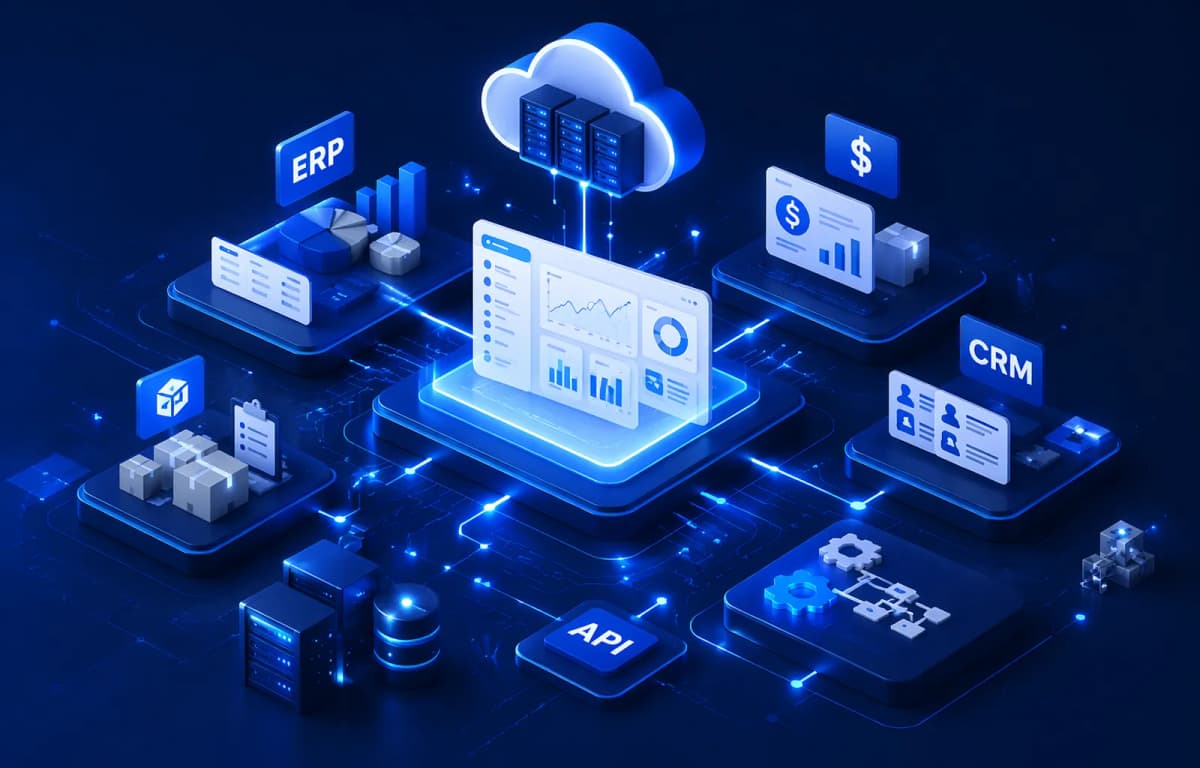
Common examples include management information systems (MIS), enterprise resource planning (ERP), customer relationship management (CRM), and custom-built business applications.
Operational Challenges Without Information Systems
- Manual and time-consuming workflows
- Inaccurate and inconsistent data
- Lack of real-time visibility
- Inefficient inter-department collaboration
- Decision-making based on assumptions rather than data
Key Benefits of Information Systems
1. Business Process Automation
Information systems automate repetitive tasks such as data entry, reporting, inventory tracking, and payroll processing, reducing errors and saving valuable time.
2. Improved Data Accuracy and Integrity
Centralized systems ensure data consistency across departments, minimizing duplication and improving overall data quality.
3. Real-Time Information Access
Managers and teams can access up-to-date information instantly, enabling faster responses to operational issues and market changes.
4. Cost Efficiency
By optimizing workflows and resource utilization, information systems help reduce operational costs and improve productivity.
5. Data-Driven Decision Making
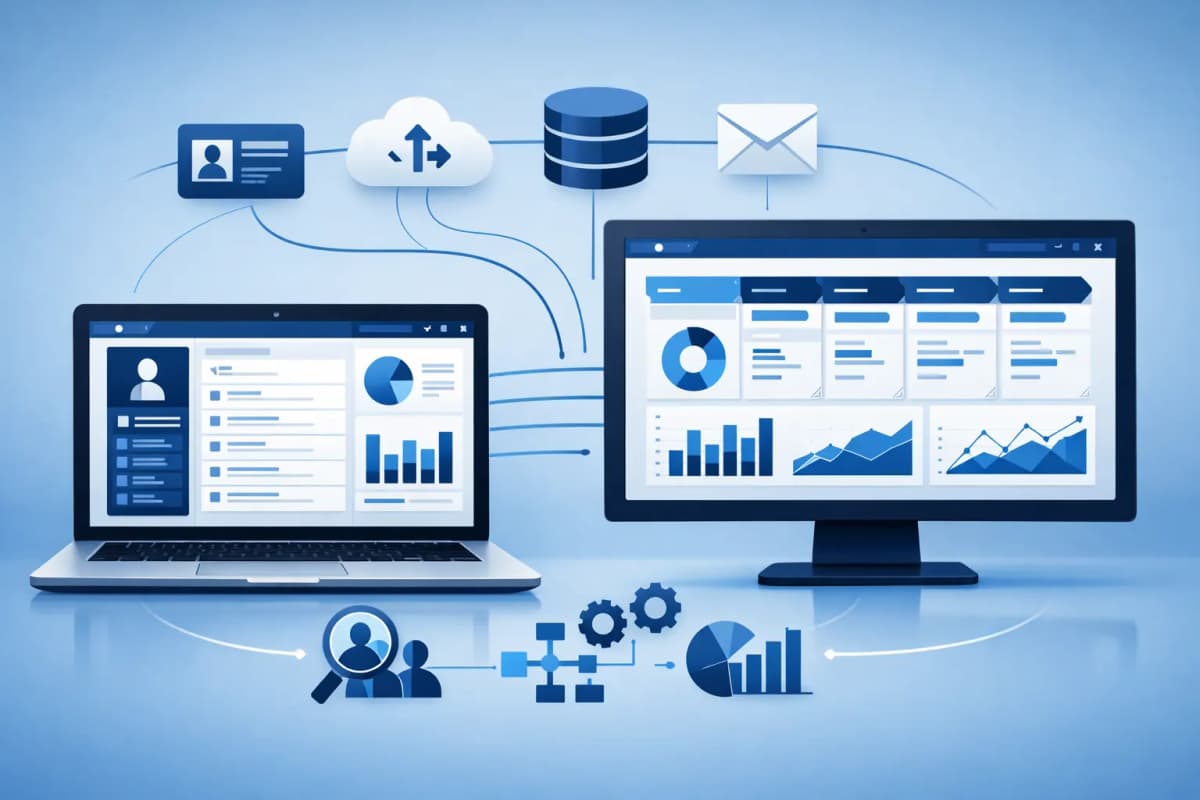
Accurate reports, dashboards, and analytics empower leaders to make informed decisions based on real business insights.
The Value of Custom Information Systems
Every organization has unique workflows and challenges. Custom information systems are designed to align precisely with business processes, ensuring higher efficiency and scalability.
Digital Transformation and Competitive Advantage
Information systems are at the core of digital transformation initiatives. Companies that embrace technology-driven operations gain agility, transparency, and a stronger competitive position in global markets.
Conclusion
Information systems significantly enhance operational efficiency by automating processes, improving data quality, and enabling smarter decision-making. Businesses that invest in the right systems are better positioned for long-term success.
Looking to explore tailored software solutions?
Learn more about strategic software development services designed to support operational efficiency and business growth.