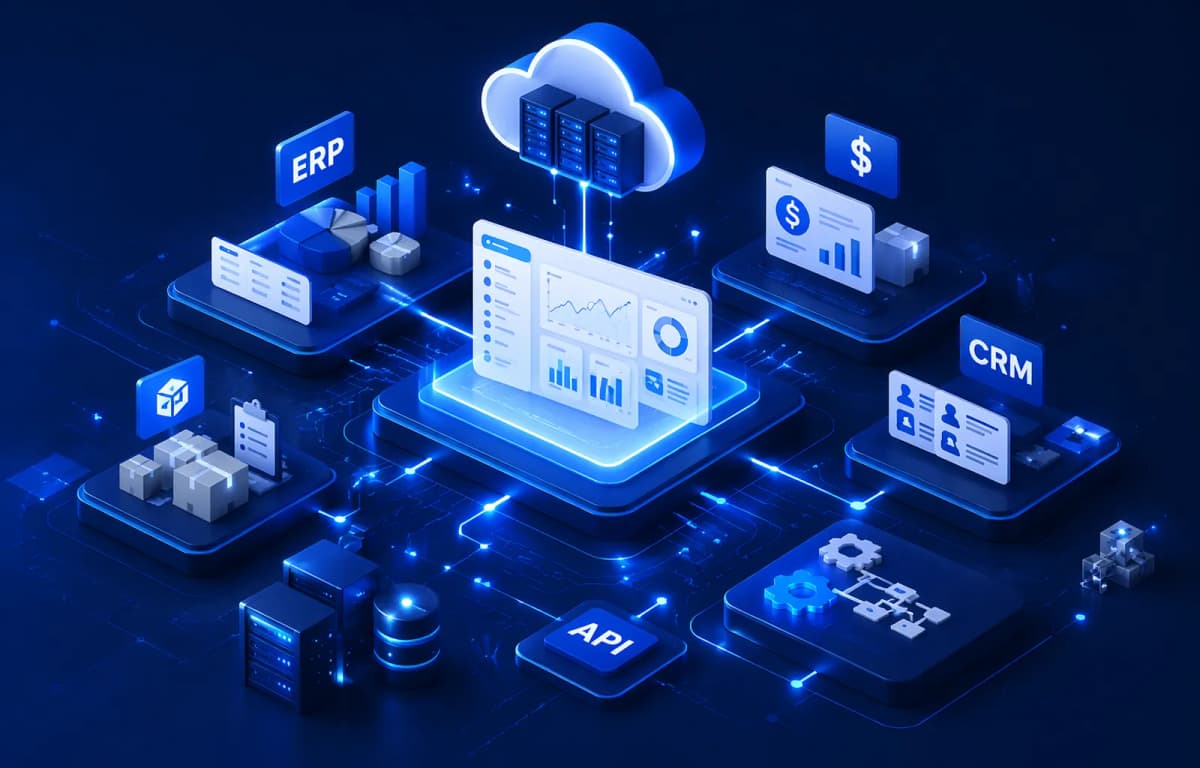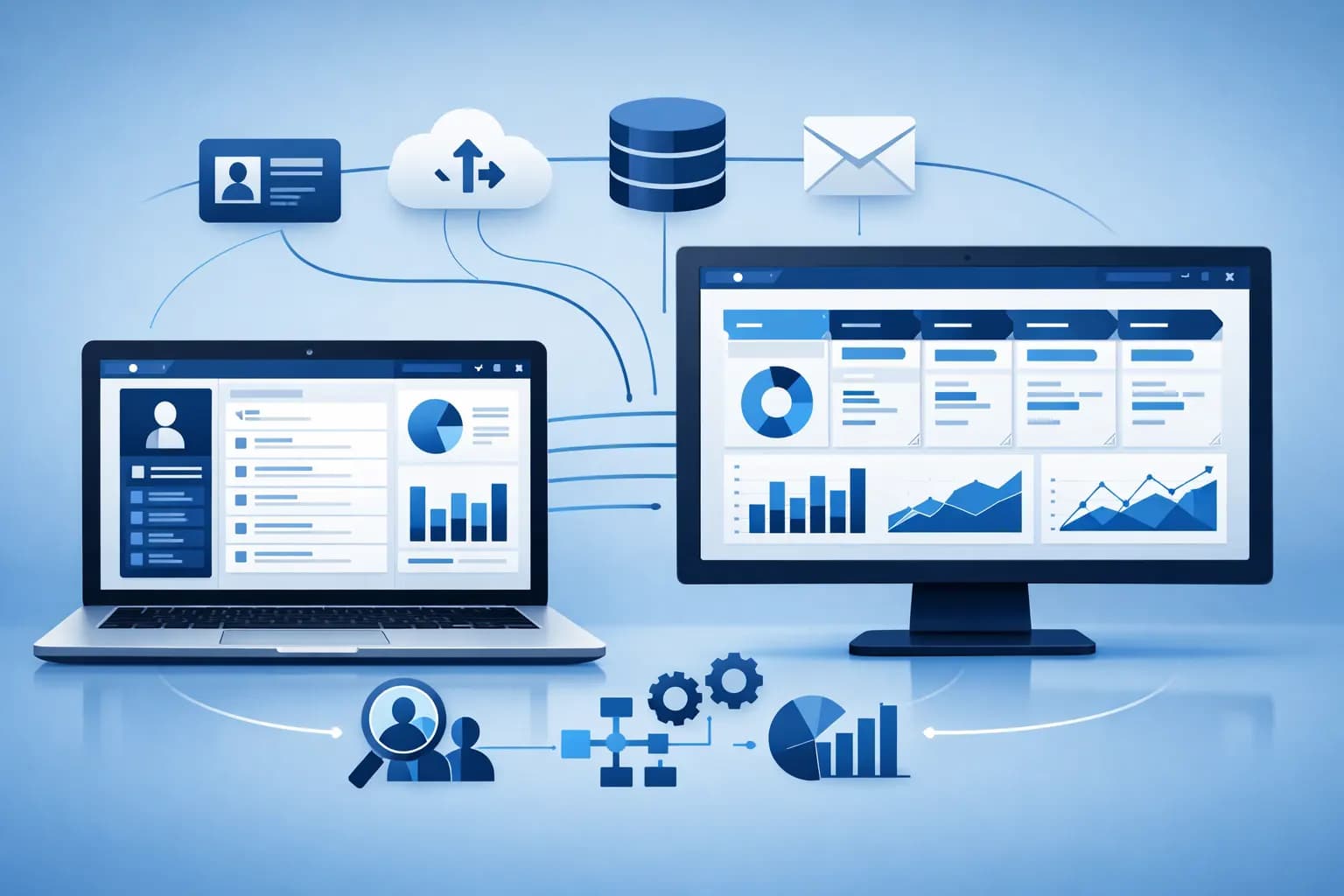
In today’s digital economy, customer data plays a critical role in business sustainability. Without a structured system, customer information becomes fragmented and underutilized. A CRM system (Customer Relationship Management) enables businesses to centralize, analyze, and leverage customer data effectively.
CRM platforms help organizations build long-term relationships with customers while improving internal efficiency and decision-making.
What Is a CRM System?
A CRM system is software designed to manage interactions between a business and its customers across sales, marketing, and customer support. It stores customer profiles, communication history, transaction records, and engagement data in one unified platform.
Why CRM Systems Matter for Modern Businesses
- Growing customer databases require centralized management
- Customers expect personalized and responsive service
- Businesses need data-driven insights for strategic decisions
- Operational efficiency is key to scalability
Core Functions of CRM Software
Centralized Customer Data
CRM systems consolidate all customer information into a single source of truth, allowing teams to collaborate seamlessly.
Sales Process Automation
Automated sales pipelines, lead tracking, and follow-up reminders help sales teams focus on closing deals rather than manual tasks.
Customer Support Optimization
Customer service teams can resolve issues faster by accessing complete customer histories and previous interactions.
Analytics and Reporting
CRM analytics provide insights into customer behavior, sales performance, and growth opportunities.
Benefits of Implementing a CRM System
- Improved customer retention and loyalty
- Enhanced sales and marketing efficiency
- Better collaboration across departments
- Data-driven decision making
- Scalable customer management processes
Custom CRM vs Off-the-Shelf Solutions
While off-the-shelf CRM solutions offer quick deployment, they may not align with unique business workflows. Custom CRM development allows organizations to build systems tailored to their operational needs and growth strategies.
Best Practices for CRM Implementation
- Define business objectives clearly
- Map customer journeys and workflows
- Integrate with existing systems
- Provide user training and adoption support
- Continuously optimize based on insights
CRM as a Foundation for Digital Growth
A CRM system is more than a customer database—it is a strategic platform that supports long-term business growth through technology and data.
Organizations seeking scalable and flexible CRM solutions can benefit from custom software development approaches.
Looking to Build a Custom CRM System?
Explore how tailored software development can help you create a CRM system aligned with your business goals.
Learn More About Software Development Services