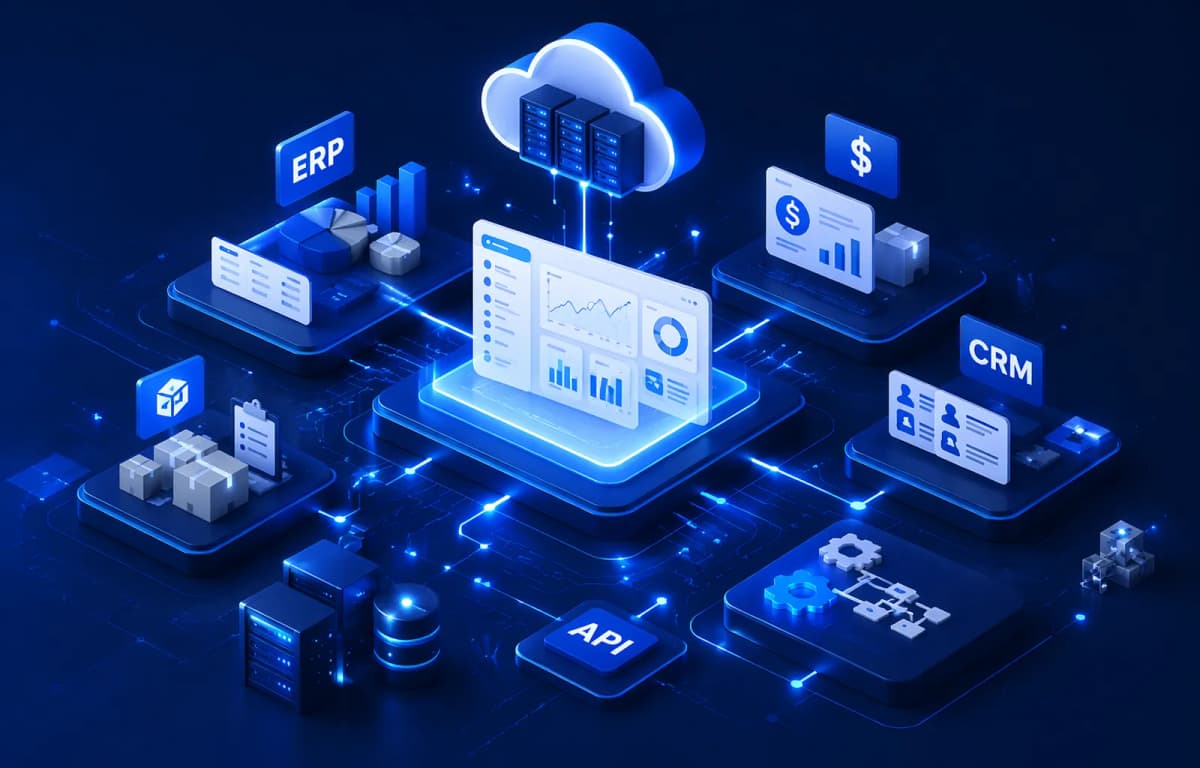
In modern digital ecosystems, APIs (Application Programming Interfaces) act as the backbone of communication between applications, services, and platforms. From mobile apps to enterprise systems, APIs enable seamless data exchange.
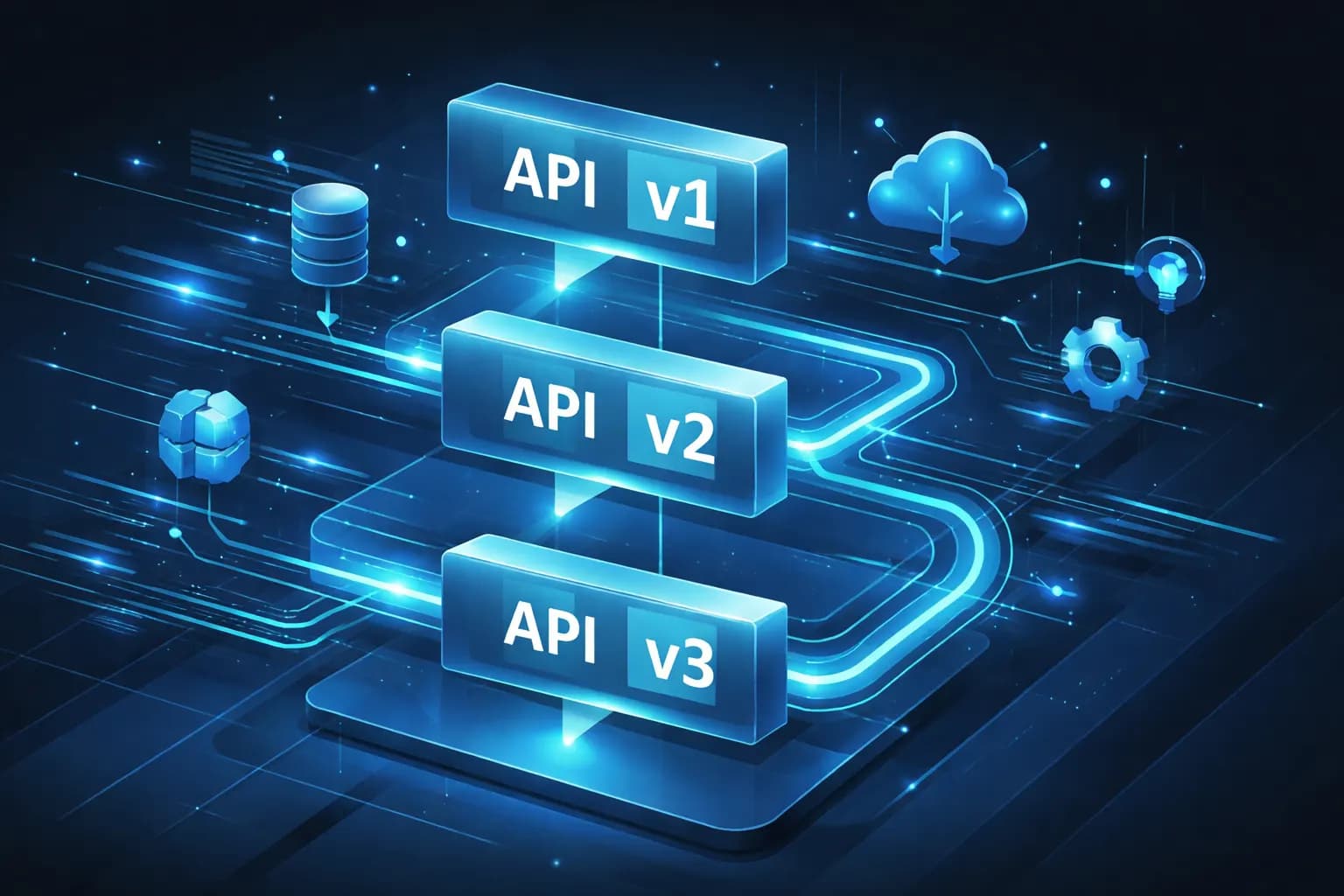
As products evolve, APIs inevitably change. Without a solid API versioning strategy and proper backward compatibility, these changes can break integrations and harm user experience.
What Is API Versioning?
API versioning is the practice of managing changes to an API while minimizing disruption to existing consumers. It allows teams to improve and extend APIs without forcing immediate upgrades for all clients.
Why Backward Compatibility Matters
- Prevents breaking existing applications
- Maintains trust with partners and customers
- Reduces technical debt
- Supports long-term scalability
Common API Versioning Approaches
1. URI Versioning
/api/v1/products
/api/v2/products
This is the most widely adopted approach due to its simplicity and clarity.
2. Header-Based Versioning
Accept: application/vnd.api.v2+json
Suitable for enterprise-grade APIs with strict governance and documentation.
3. Query Parameter Versioning
/api/products?version=2
Simple but not recommended for long-term API evolution.
Backward Compatibility Best Practices
- Never remove existing fields abruptly
- Add new fields as optional
- Use sensible default values
- Maintain clear API documentation
- Deprecate features gradually
Business Impact of Poor API Versioning
Organizations without proper API versioning often face unexpected outages, broken integrations, and rising maintenance costs.
API Versioning for Scalable Digital Products
At PT Code Hero Indonesia, we help businesses design APIs that scale with growth. A well-planned versioning strategy ensures innovation without disruption.
💡 Planning a scalable API architecture?
Explore our professional development services to build future-ready systems. Learn more about our website development services .
Conclusion
API versioning and backward compatibility are not optional—they are essential for sustainable software development. By applying best practices, businesses can innovate confidently while protecting existing integrations.
A future-ready API is one that evolves gracefully without breaking what already works.