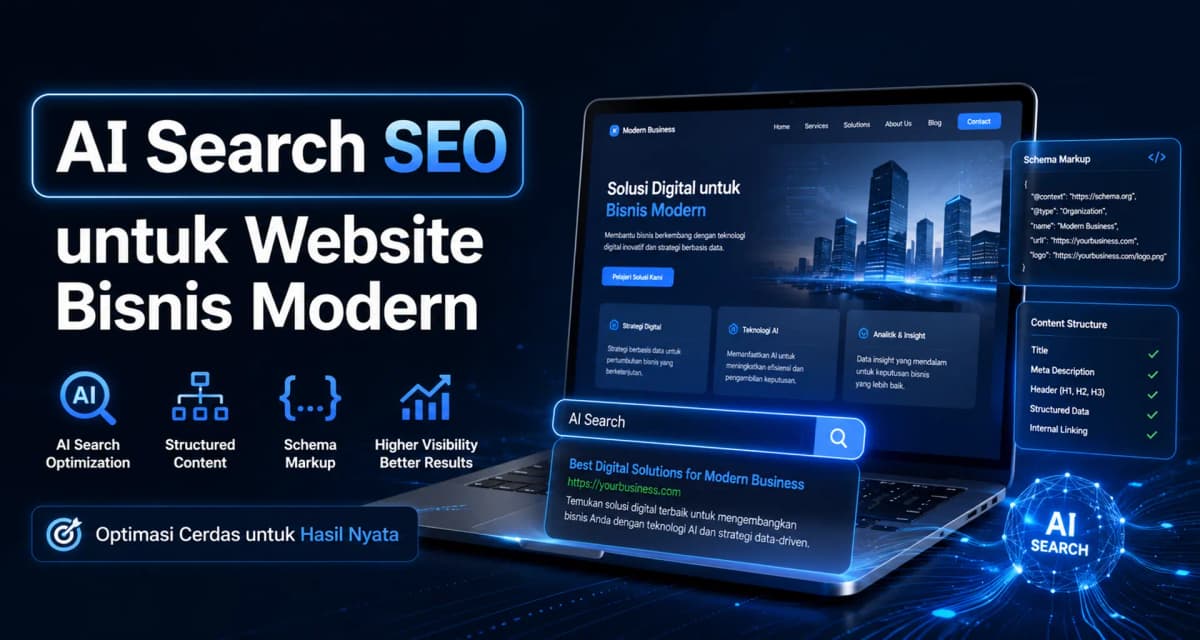
In today’s digital era, almost every company has a website. However, many business websites fail to generate real business impact. They exist online, but they do not contribute to growth.
This article explores the most common reasons why business websites fail and how companies can turn their websites into strategic digital assets.
Having a Website Does Not Guarantee Results
A website without a clear strategy often becomes a digital placeholder instead of a growth tool.
- Low and unqualified traffic
- No lead generation or conversions
- Unclear messaging
- Poor user experience
Common Reasons Business Websites Fail
1. No Clear Business Objectives
Successful websites are built with clear goals such as branding, lead generation, or operational support. Without objectives, websites lack direction.
2. Design Over Function
A visually appealing website is important, but functionality, clarity, and conversion paths matter far more.
3. Poor Content and SEO Optimization
Websites with unclear messaging and no SEO strategy struggle to reach their target audience organically.
4. Not Mobile Optimized
With most users browsing on mobile devices, non-responsive websites lose significant traffic and credibility.
5. Lack of System Integration
Websites should integrate with CRM, analytics, and communication tools to support business processes effectively.
The Business Impact of an Ineffective Website
- Lost trust from potential clients
- Wasted digital marketing budget
- Weak brand positioning
- Missed business opportunities
A Website Should Be a Business Asset
A well-structured website acts as a central hub for branding, marketing, and communication.
PT Code Hero Indonesia’s Strategic Perspective
PT Code Hero Indonesia approaches website development as a long-term digital investment aligned with business goals.
Evaluate Your Business Website Strategy
If your website is not delivering results, the issue may lie in the strategy, not the technology.
Explore a more strategic website approach →