Business operations have evolved significantly over the past decades. While some companies still rely on manual systems, many organizations are shifting toward digital solutions to stay competitive in a fast-changing market.
This article provides an in-depth comparison between manual and digital systems, highlighting their strengths, weaknesses, and long-term impact on business efficiency.
What Is a Manual System?
A manual system refers to traditional business processes that rely on human effort without advanced digital tools. Data recording, reporting, and communication are often handled through paper documents or basic tools.
Advantages of Manual Systems
- Low initial cost
- Simple implementation
- Minimal technical requirements
Disadvantages of Manual Systems
- High risk of human error
- Time-consuming processes
- Limited scalability
What Is a Digital System?
A digital system utilizes software, applications, and cloud-based technologies to automate and manage business operations efficiently.
Benefits of Digital Systems
- Improved efficiency and speed
- Better data accuracy
- Real-time insights and analytics
- Scalable business operations
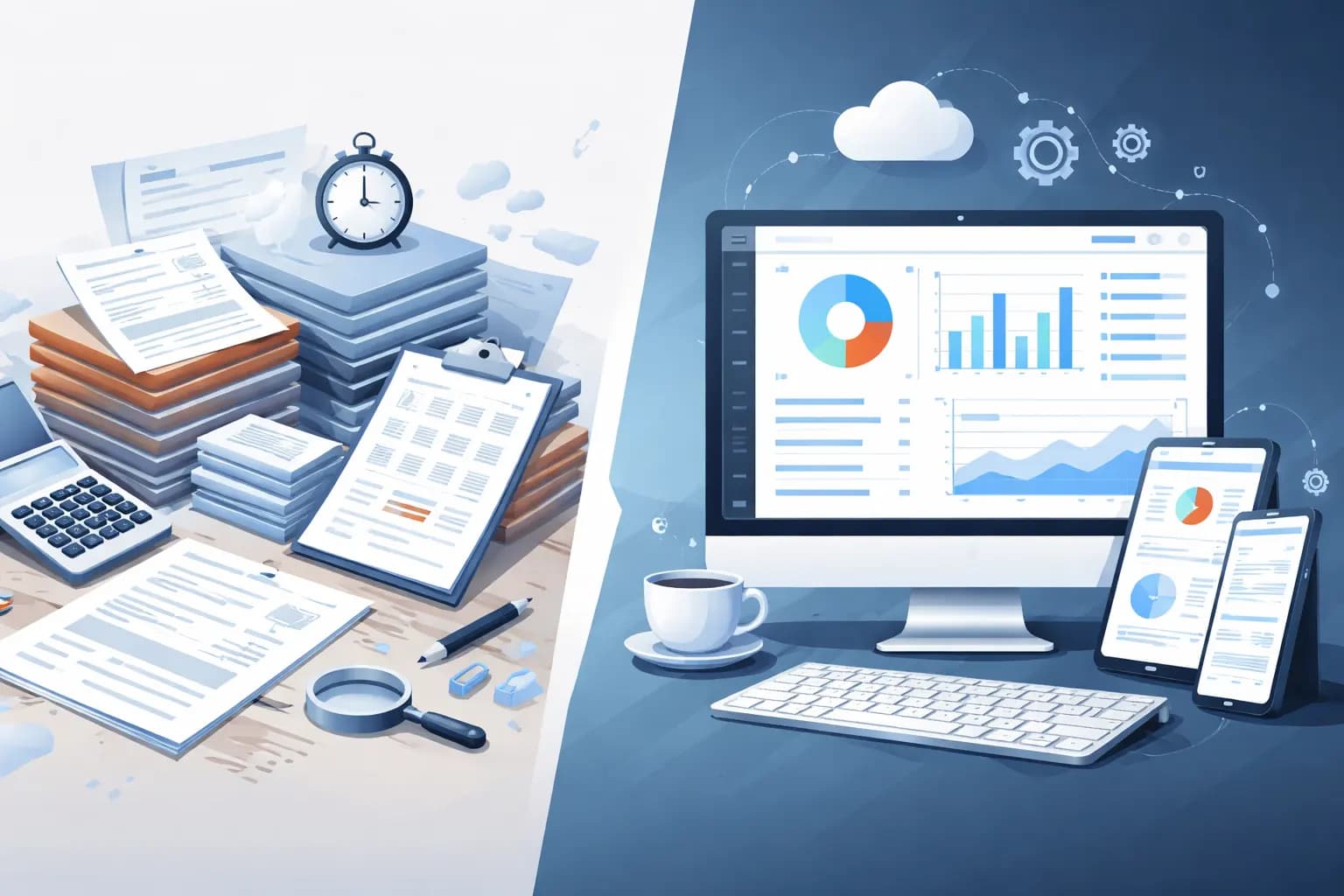
Manual vs Digital Systems: Key Differences
Digital systems empower businesses to optimize workflows, reduce costs, and improve decision-making through automation and data-driven strategies.
Why Digital Transformation Matters
Companies that adopt digital systems gain a competitive advantage by improving operational efficiency and customer experience.
PT Code Hero Indonesia supports businesses worldwide in developing reliable digital systems tailored to specific operational needs.
Start Your Digital Journey
Transitioning from manual to digital systems begins with the right strategy and technology partner.
Explore digital system development services →