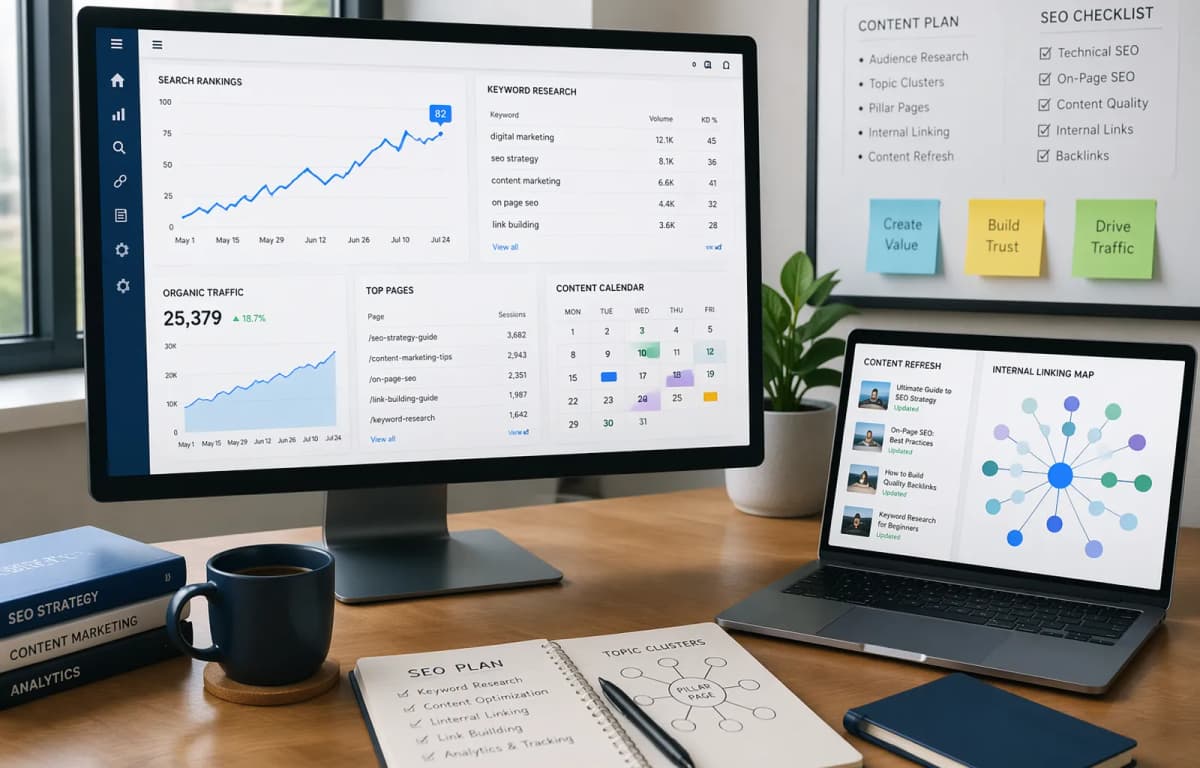
Website speed has become a critical factor in digital success. A slow-loading website not only frustrates users but also negatively impacts search engine rankings. One proven technique to address this issue is image lazy loading.
This article provides an in-depth explanation of image lazy loading, how it works, its benefits for SEO and user experience, and why it is essential for modern web development. The insights shared here reflect best practices implemented by PT Code Hero Indonesia.
What Is Image Lazy Loading?
Image lazy loading is a performance optimization technique where images are loaded only when they are needed. Instead of loading all images at once, the browser delays loading images until they appear in the user's viewport.
This approach significantly reduces initial page load time and improves overall website responsiveness.
How Lazy Loading Works
- Only critical content loads on initial page render
- Images below the fold are deferred
- Images load dynamically during scrolling
- Reduced bandwidth and server load
Why Slow Websites Hurt Business Growth
Studies show that users expect websites to load in under three seconds. Any delay beyond that significantly increases bounce rates and reduces engagement.
Slow websites negatively impact:
- Search engine rankings
- User trust and brand credibility
- Conversion rates
- Overall user experience
Key Benefits of Image Lazy Loading
1. Faster Page Load Time
Lazy loading reduces the amount of data loaded during the initial request, allowing pages to render faster and feel more responsive.
2. Improved SEO Performance
Google considers page speed as a ranking factor. Faster websites are more likely to achieve higher search visibility.
3. Better User Experience
Users enjoy smoother navigation, reduced waiting time, and improved interaction with content-heavy websites.
SEO-Friendly Lazy Loading Implementation
Proper implementation is essential to ensure lazy loading does not interfere with SEO. Modern browsers and search engines now fully support native lazy loading when applied correctly.
- Use native
loading="lazy"attribute - Ensure critical images load immediately
- Maintain semantic HTML structure
- Optimize image size and formats
Lazy Loading in Modern Web Development
Lazy loading is a core component of modern performance optimization strategies, including Core Web Vitals, caching mechanisms, and efficient frontend architecture.
PT Code Hero Indonesia integrates lazy loading into its web development workflows to deliver scalable, fast, and SEO-optimized digital solutions.
When Should You Use Lazy Loading?
- Image-heavy websites
- Mobile-first web applications
- Long-form content pages
- Corporate and business websites
Conclusion
Image lazy loading is an effective solution for optimizing slow websites, improving SEO rankings, and enhancing user experience. It has become an essential technique in modern web development.
By implementing lazy loading correctly, businesses can create faster, more efficient, and more competitive digital platforms.
Want to Improve Your Website Performance?
PT Code Hero Indonesia helps businesses build and optimize high-performance, SEO-ready websites using modern development strategies.