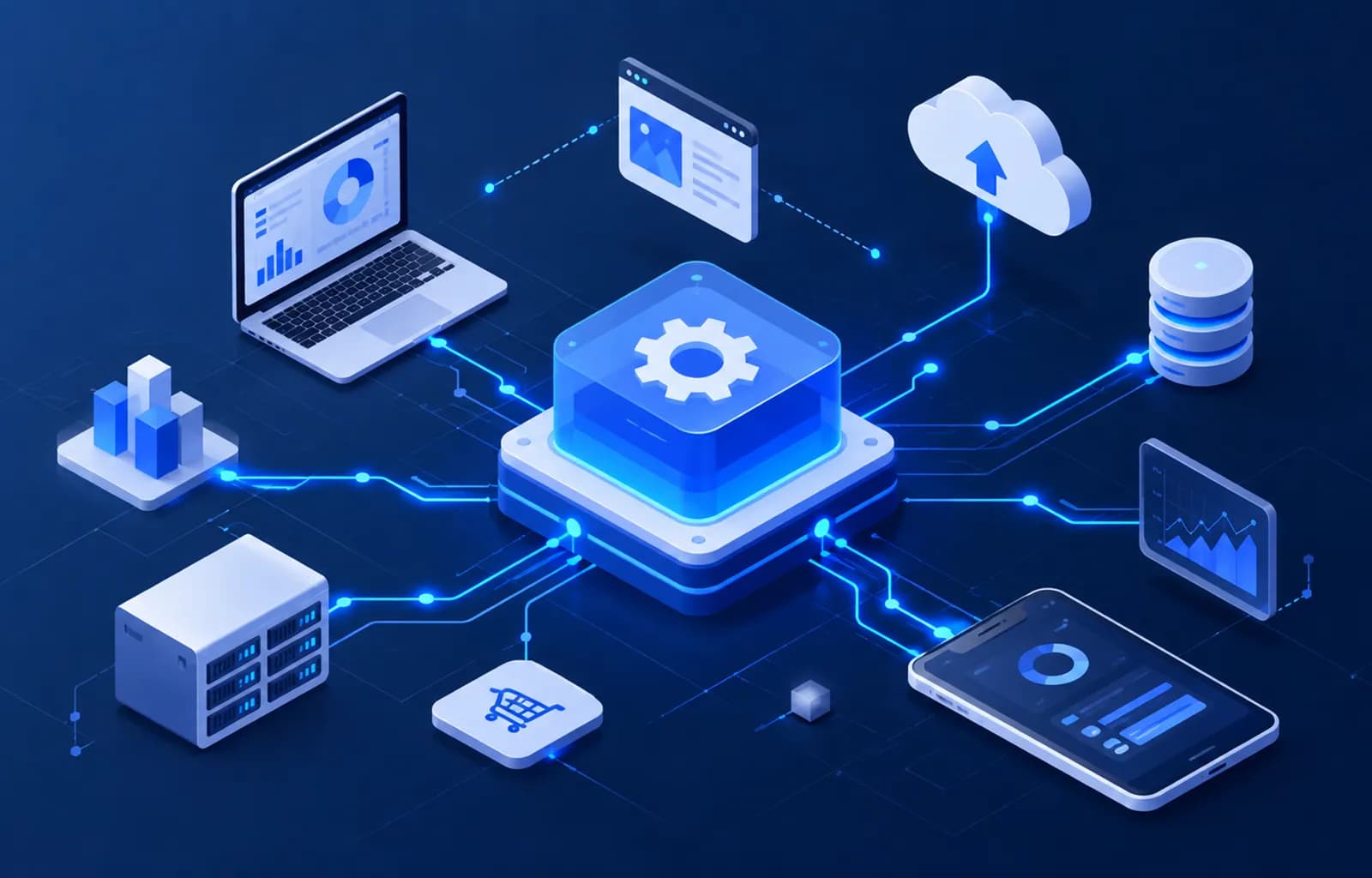
In today’s digital business environment, the term API is becoming increasingly common. However, for non-technical professionals, APIs often sound complex and intimidating.
This article explains what an API is, why it matters for businesses, and how it works using simple, real-world examples.
What Is an API?
API stands for Application Programming Interface. Simply put, an API allows different systems to talk to each other.
Think of an API as a waiter in a restaurant. You place an order, the waiter delivers it to the kitchen, and brings the food back to you.
Why APIs Are Important for Businesses
- Connect different business systems
- Automate manual processes
- Improve data accuracy
- Save time and operational costs
- Enable business scalability
Common Business API Use Cases
1. Payment APIs
Payment APIs allow websites and apps to process online payments securely and instantly.
2. E-Commerce & Inventory APIs
APIs synchronize product data, stock levels, and orders across multiple platforms.
3. CRM and Customer Data APIs
Customer information from multiple channels can be unified into one system automatically.
APIs Are Not Only for Large Enterprises
Small and medium-sized businesses can benefit greatly from APIs by reducing manual work and improving efficiency.
Choosing the Right Technology Partner
Implementing APIs requires proper planning, data security, and system architecture. Working with an experienced technology partner ensures long-term success.
Want to connect your business systems seamlessly?
We help businesses design, build, and integrate APIs tailored to their needs.
Explore Our Services