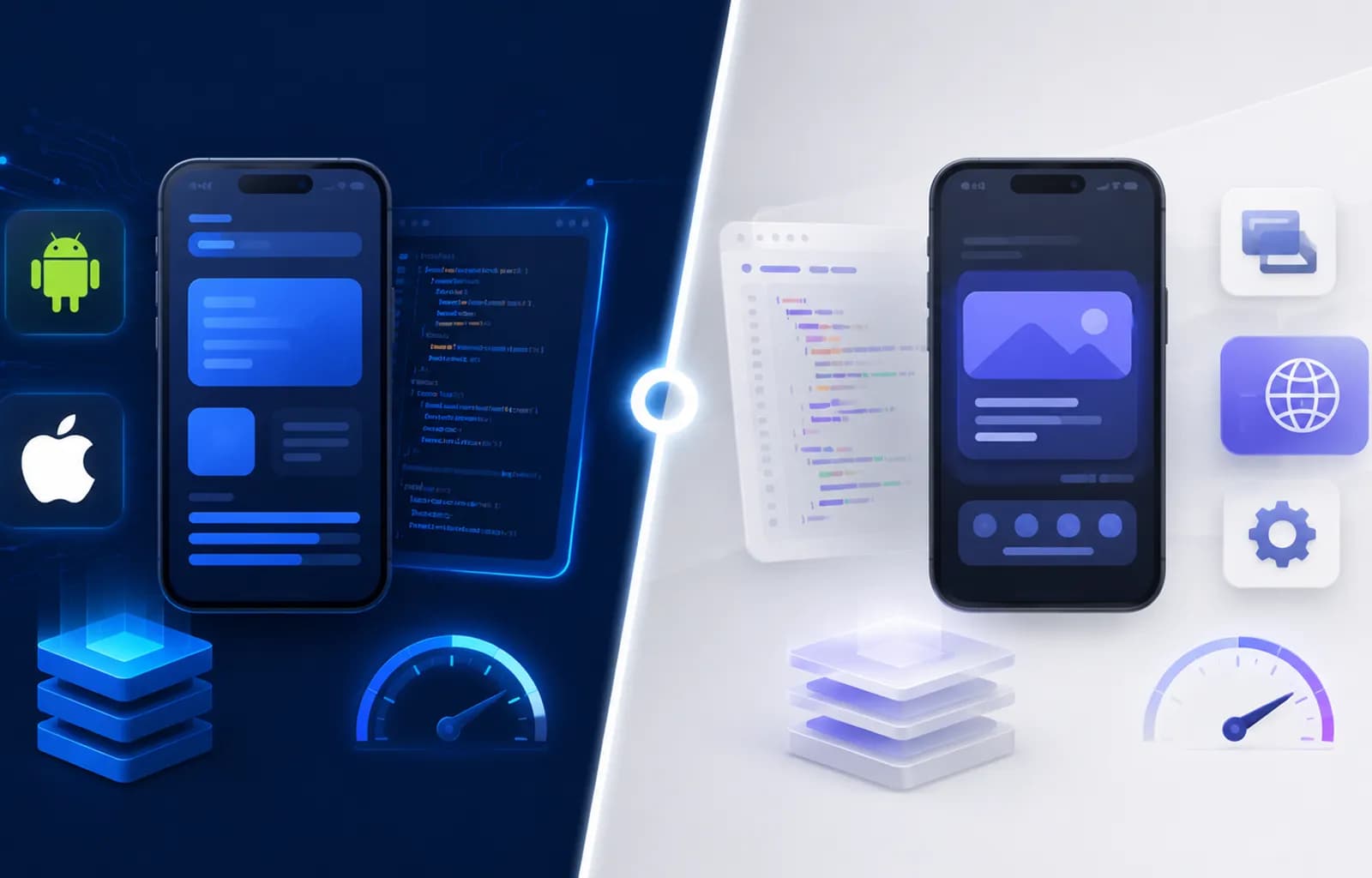
Mobile applications have become a strategic asset for modern businesses. From customer engagement to internal operations, choosing the right app development approach can significantly impact performance, cost, and scalability.
This article by PT Code Hero Indonesia explains the differences between Native Apps and Hybrid Apps in a clear, business-oriented perspective.
What Is a Native App?
A Native App is built specifically for a single operating system such as Android or iOS, using the platform’s official programming languages.
- Android: Kotlin / Java
- iOS: Swift / Objective-C
Native apps deliver the highest performance and seamless user experience, making them ideal for mission-critical applications.
Advantages of Native Apps
- Superior performance
- Full access to device hardware
- High security standards
- Best user experience
Disadvantages of Native Apps
- Higher development cost
- Separate codebase per platform
- Longer development time
What Is a Hybrid App?
Hybrid Apps are developed using a single codebase and deployed across multiple platforms using frameworks such as React Native or Flutter.
This approach significantly reduces cost and development time while still delivering near-native performance.
Advantages of Hybrid Apps
- Faster time to market
- Lower development cost
- Easier maintenance
- Cross-platform compatibility
Disadvantages of Hybrid Apps
- Slightly lower performance
- Limited access to advanced hardware features
- Dependency on third-party frameworks
Which Option Is Right for Your Business?
The decision depends on your business goals, budget, and long-term scalability needs.
- Choose Native Apps for complex, high-performance enterprise systems
- Choose Hybrid Apps for MVPs and cost-efficient digital solutions
Planning a Mobile App for Your Company?
PT Code Hero Indonesia helps businesses design and build scalable, secure, and future-ready mobile applications.
Explore our services: Mobile App Development Service