Digital marketing can look busy on the surface—ads running, content publishing, traffic rising—while revenue stays stubbornly flat. In many cases, the bottleneck isn’t traffic. It’s conversion: the engineering and psychology of turning a click into a lead, and a lead into a customer. That’s why an IT agency that understands modern marketing execution is so valuable. One asset sits at the center of that conversion system: the high-converting landing page.
Why an IT Agency Matters for Digital Marketing Performance
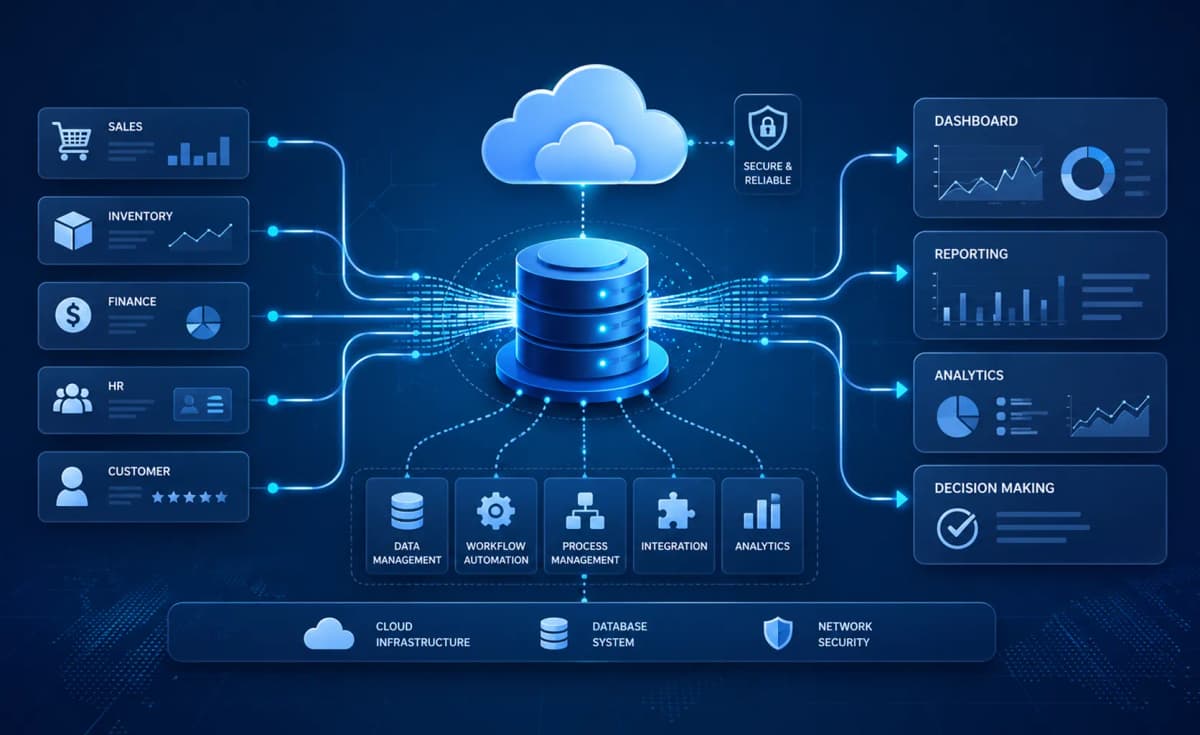
Many marketing teams are excellent at strategy—positioning, messaging, campaign concepts—but struggle with technical execution: slow pages, messy tracking, broken pixels, inconsistent UTM parameters, poor mobile layouts, or forms that don’t connect to CRM. In 2025-era marketing, those “technical details” are not details. They’re the system.
An IT agency bridges three disciplines that often operate in silos: design (trust and clarity), engineering (speed and stability), and analytics (measurement and iteration). When one is weak, conversion drops—even if your ads and content are strong.
Marketing that can’t be measured can’t be improved
If your funnel isn’t instrumented—meaning events and conversions are reliably tracked—you’re optimizing by vibe. A good IT agency sets up the funnel so you can answer basic questions with confidence: Which channel brings qualified leads? Where do users drop off? Which headline outperforms? Which CTA is actually clicked?
The Landing Page: The Sharpest Tool in the Funnel
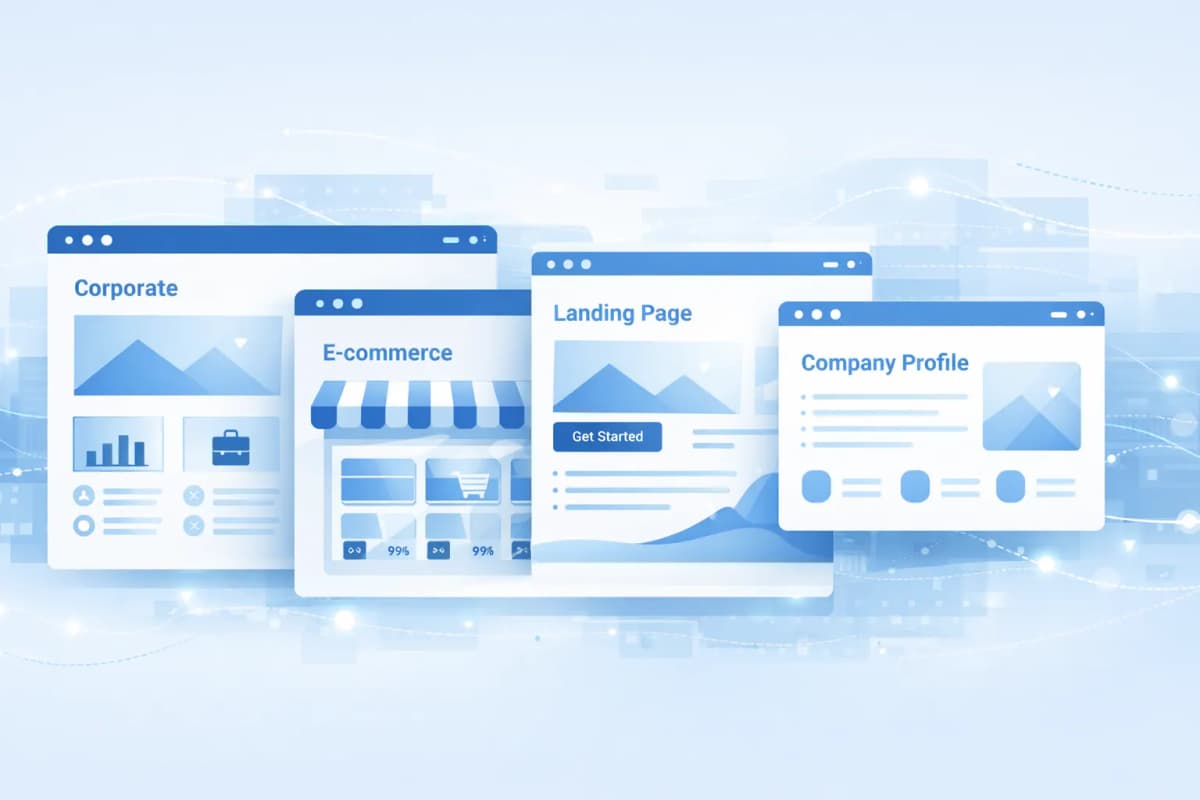
A landing page is a purpose-built page designed to drive one primary action: book a call, request a quote, sign up, or purchase. Unlike a homepage (which tries to explain everything), a landing page removes distractions and aligns tightly with user intent. If you run Google Ads, Meta Ads, or SEO campaigns, your landing page is often the difference between scalable growth and wasted spend.
A practical model: AIDA + friction reduction
Classic persuasion frameworks still work because humans still have human brains. AIDA remains a useful structure:
- Attention: a headline that matches the ad/keyword promise.
- Interest: benefits explained in plain language, not internal jargon.
- Desire: credibility signals—proof, testimonials, portfolio, guarantees, outcomes.
- Action: a specific CTA with minimal steps to completion.
Then add the unglamorous superpower: remove friction. Friction is anything that makes users hesitate: slow load time, confusing layout, vague copy, long forms, or mobile UX that feels like punishment. Reduce friction, and conversion rates typically improve without needing more traffic.
Common Landing Page Problems (and Why They Kill Conversion)
If your campaigns look “fine” but results don’t, these are the usual suspects:
- Message mismatch: the ad promises one thing, the page explains another.
- Weak value proposition: features listed, benefits unclear.
- Low trust: no proof, no credibility signals, no clarity about next steps.
- Mobile pain: buttons too small, text unreadable, layout collapses.
- Slow performance: users bounce before they even see your offer.
- Broken measurement: conversions aren’t tracked consistently, so optimization is guesswork.
None of these require magical marketing powers. They require systematic design, engineering discipline, and data hygiene.
Code Hero Indonesia: Landing Pages Built for Performance
PT Code Hero Indonesia positions itself as a professional landing page design service built for real-world marketing performance. That means modern UI, SEO-ready structure, mobile-first UX, fast loading speed, clean analytics tracking, and a foundation for ongoing conversion rate optimization (CRO).
1) Modern design that guides decision-making
“Modern” isn’t decoration. It’s clarity. The page should help users understand your offer in seconds and know exactly what to do next. We emphasize visual hierarchy, CTA contrast, scannable sections, and a frictionless flow.
2) SEO-ready foundations for long-term acquisition
A landing page can support SEO when it’s structured properly: semantic headings, relevant content depth, fast performance, and clean metadata. SEO is less about tricks and more about helpful content + technical health.
3) Mobile-first UX (because most clicks are mobile)
Mobile-first means designing for small screens first: readable typography, tap-friendly buttons, short forms, and sections that don’t demand endless scrolling to reach the CTA. If the mobile experience is painful, your funnel leaks.
4) Fast loading performance as a conversion multiplier
Slow pages are a silent tax on every campaign. We focus on performance best practices: optimized images, efficient front-end structure, sensible scripts, caching strategies, and performance checks that align with real user experience.
5) Analytics tracking you can trust
Effective marketing needs reliable measurement. We set up event tracking for key actions: CTA clicks, form submissions, WhatsApp clicks (if used), and campaign source attribution via UTM parameters. Clean tracking turns “opinions” into actionable decisions.
6) CRO optimization: iterate with evidence
CRO is the discipline of improving conversion by testing hypotheses. We can iterate with A/B testing: headline variations, CTA placement, testimonial order, form length, pricing presentation, or section sequencing. The goal is simple: increase qualified conversions without needing more ad spend.
A Systematic Build Process: From Brief to Scalable Results
A high-converting landing page is rarely the product of “one perfect design.” It’s the product of a repeatable process. Here’s what a performance-focused workflow looks like:
1) Business objective and funnel mapping
We start with the conversion goal (lead, booking, signup, purchase), target audience, traffic source (SEO/ads), and the core offer. This prevents building a “nice page” that doesn’t serve the funnel.
2) Messaging architecture and page outline
We structure sections to match decision-making: headline + subheadline, benefits, differentiators, proof, objection handling (FAQ), and clear CTAs. Think of it as engineering persuasion without manipulating anyone.
3) UI design + conversion-focused copy
Copy should be specific, plain, and user-centered. Design should guide attention and reduce cognitive load. Together, they create a page that feels easy to trust—and easy to complete.
4) Development: SEO-ready, mobile-first, fast
We implement the design with clean HTML structure, responsive behavior, and performance considerations. The page is built so search engines can parse it and users can navigate it effortlessly.
5) Tracking and launch readiness
We ensure conversions are tracked: form submit events, CTA clicks, and traffic attribution. Without this step, teams often “launch blind” and waste weeks interpreting inconsistent data.
6) Post-launch CRO iteration
Once traffic flows, we use data to refine: identify drop-offs, test new hypotheses, and improve conversion rates progressively. The best landing pages are living assets, not static brochures.
SEO & Conversion Checklist for Landing Page Optimization
- Intent alignment: the page answers what the user searched/clicked for.
- Clear structure: one H1, logical H2/H3 headings, short paragraphs, scannable content.
- Credibility signals: testimonials, portfolio, case snapshots, guarantees, clear contact paths.
- Strong CTA: specific wording, visible placement, minimal steps, short forms.
- Mobile-first UX: tap-friendly, readable, stable layout, quick path to conversion.
- Fast load speed: optimized assets and restrained scripts.
- Reliable tracking: UTMs + events + consistent conversion definitions.
- CRO readiness: testable components (headlines, CTAs, sections, forms).
FAQ
What makes a landing page “high-converting”?
Clear value proposition, low friction UX, strong trust signals, fast performance, and a focused CTA—plus measurement and iteration. Conversion is rarely one magic element; it’s many small advantages working together.
Should I use one landing page or multiple?
Multiple pages usually outperform a single generic one when you have multiple audiences or offers. Segmenting improves relevance, which improves conversion and often lowers ad waste.
How do I measure landing page success properly?
Track the full path: traffic source (UTM), key events (CTA clicks, form submit), lead quality, and downstream outcomes. “More leads” isn’t always success—qualified leads are.
Can Code Hero Indonesia support global clients?
Yes. A landing page build process is inherently remote-friendly: briefing, design review, implementation, tracking setup, and CRO iteration can all be handled online with clear documentation.